Luxury Shopping in Bangkok for Long Term Residents
Bangkok's best malls, from Siam Paragon to Iconsiam, make it one of Southeast Asia's top destinations for luxury shopping and premium retail.

Managing money well is one of the most practical aspects of long-term life in Thailand. If you are relocating to Bangkok, settling in Chiang Mai, or planning an extended stay in Phuket, knowing where to exchange money in Thailand at a favorable rate is a skill every long-term resident should develop.
In Thailand, licensed exchange booths, commercial banks, and ATM networks provide wide access to Thai Baht (THB) across the country's major cities and tourist areas. The difference between the available rates, however, can be significant, particularly for families and retirees managing regular transfers of larger sums.
Thailand Privilege Card supports members in establishing a stable financial foundation in Thailand. Through Elite Personal Liaison (EPL) services, members receive direct assistance with opening a Thai bank account, removing one of the most commonly reported administrative challenges for new long-term residents. For families planning a relocation, this practical support complements the multi-year visa stability that Thailand Privilege Card membership provides.
This guide covers the main exchange options available, the best-rated providers in Bangkok, Chiang Mai, and Phuket, and the practical steps that set long-term residents up for efficient, cost-effective financial management from day one.
Thailand's foreign exchange system is well-developed and highly accessible. The Thai Baht (THB) is the official currency, issued and regulated by the Bank of Thailand. Exchange rates fluctuate throughout the day in line with global currency markets, which means the rate available at 9:00 AM may differ from the rate at 3:00 PM, even at the same provider.
Licensed exchange booths, commercial banks, and ATM networks all offer foreign currency conversion, but they operate on different rate structures. Private exchange booths almost always offer better rates than banks or hotels because they have higher transaction volumes and lower overhead. Hotels and airport counters, by contrast, price for convenience rather than competitiveness, and are best used only when no other option is available.
For long-term residents, where to exchange money in Thailand matters far more than for short-term visitors. A family remitting living expenses monthly or a retiree receiving a pension from abroad will feel the compounding effect of rate differences over time, making the choice of provider a practical financial decision.
Independent licensed exchange booths provide the most competitive rates for cash transactions in Thailand. Providers such as SuperRich Thailand (green label) and Super Rich Currency Exchange 1965 (orange label), which are two separate companies, are among the most well-recognized and competitive options in the country. Vasu Exchange and Siam Exchange are other well-established alternatives, particularly useful for those based in or passing through Sukhumvit and the National Stadium area, respectively.
These booths are widely found in central business districts, near BTS Skytrain and MRT stations, and inside major shopping centers. Always bring a passport when exchanging money at a licensed booth, as it is required for identification. Presenting clean, high-denomination banknotes (USD 100 bills, for example) typically yields a better rate than exchanging smaller or worn notes, as some booths apply stricter standards to damaged currency.
Major Thai banks, including Bangkok Bank, Kasikorn Bank (KBank), and Siam Commercial Bank (SCB), offer foreign exchange services at all main branches. Bank rates are generally less competitive than private exchange booths but carry advantages for larger or more complex transactions, such as documentation support, verifiable receipts, and greater institutional security.
For long-term residents making large transfers or needing a paper trail for tax or visa purposes, banks remain a practical choice for specific situations, even if they are not the primary exchange venue for day-to-day needs.
ATM withdrawals with a foreign debit or credit card are convenient but incur a mandatory foreign-card surcharge. As of 2025, most major Thai banks, including Bangkok Bank, Kasikorn Bank, SCB, and Krungsri, charge between THB 220 and THB 250 per transaction for foreign cards. Withdraw larger amounts to reduce the per-Baht cost.
Always choose "Without Conversion" to be charged in Thai Baht rather than your home currency when given the option at an ATM or card terminal. This is known as declining Dynamic Currency Conversion (DCC). Accepting DCC allows the ATM operator to apply their own exchange rate, which is almost always significantly less favorable than the rate applied by your home bank or card network.
Airport and hotel exchange counters are best treated as a last resort. Rates at arrivals-level counters at Suvarnabhumi and Don Mueang airports are typically 10–15% lower than those at downtown exchange booths. If cash is urgently needed on arrival, the basement level of Suvarnabhumi, near the Airport Rail Link station, offers slightly better rates than the arrivals floor, with SuperRich and Siam Exchange kiosks available.
For expats and families settling in Bangkok, where to exchange money in Bangkok depends on location and transaction size. The city's central districts offer the highest concentration of competitive exchange providers.
Pratunam and Ratchadamri
The Pratunam area near CentralWorld houses the main branches of SuperRich Thailand and Super Rich 1965. Main-branch rates tend to be slightly more favorable than secondary branches, and the difference can be meaningful for larger transactions. Both providers offer real-time rate displays on their websites and apps, allowing comparison before travel.
Sukhumvit
Vasu Exchange, located near Nana BTS Station at Sukhumvit Soi 7/1, is a consistently well-regarded option for residents along Sukhumvit. It offers competitive rates without requiring a trip to Ratchadamri.
Siam
Siam Exchange on Phayathai Road, close to MBK and BTS Siam station, has operated since 1972 and is a well-established alternative offering competitive rates and a convenient central location. Avoid exchanging at tourist-heavy street-level booths on Khao San Road or in isolated sois. The concentration of foot traffic in these areas does not guarantee competitive rates. Established booths inside malls or near major rail stations are the more reliable choice.
Chiang Mai's exchange infrastructure is well-suited to the city's large, long-term expat and digital nomad community. Knowing where to exchange money in Chiang Mai can yield better results than relying on a bank branch.
Night Bazaar
Super Money Exchange, with branches on Loi Kroh Road and in the Night Bazaar area, is consistently rated by expat residents as one of the best exchange providers in Chiang Mai, with rates described as close to the mid-market rate across a wide range of currencies.
Old City
Nakhonping Exchange is another well-regarded independent operator in central Chiang Mai, offering competitive rates in the Tha Phae Gate area, one of the city's primary commercial and tourism corridors.
Rates in Chiang Mai are generally slightly less competitive than Bangkok's best central providers, but established independent booths in tourist and central areas consistently outperform bank branches and hotel counters. Always compare rates at multiple nearby providers before committing to a large transaction.
Phuket's exchange options are widely distributed across Patong, Phuket Town, and the island's major shopping centers. Understanding where to exchange money in Phuket helps residents avoid the premium rates that tourist-focused areas often charge during peak season.
Patong Beach
The best money changers in Patong, Phuket, often include SuperRich, Value Plus, and local booths near the beach end of Bangla Road, which frequently offer competitive rates. For the most favorable rates, compare several kiosks, specifically checking dedicated booths over hotel desks, and look for reputable, branded exchange services
Phuket Town
Value Plus Currency Exchange and YS Currency Exchange are among the other reputable independent providers operating in Phuket, with branches in Phuket Town and tourist commercial areas. Mamy Exchange, located in Koh Kaew near Phuket Town, has served international visitors and residents for over a decade and is one of the island's most recognized independent exchange providers. Rates at Phuket Town locations tend to be more competitive than those in heavily tourist-trafficked beach areas, where convenience premiums are more common.
Three core elements define a practical long-term financial setup:
Open a Thai Bank Account
A local Thai bank account removes ATM transaction fees for day-to-day withdrawals, enables QR code and mobile payments (which are now accepted at everything from taxis to fresh markets), and provides a reliable domestic receiving account for international transfers. Bangkok Bank and Kasikorn Bank are the most consistently recommended options for foreign account holders due to their established international banking infrastructure and branch processes that are foreigner-friendly. Requirements typically include a valid long-term visa, a passport, and a TM30 residence notification. Most Thai banks do not open accounts for holders of standard tourist visas; long-stay visa status is required.
Use International Transfer Services for Larger Transfers
For regular monthly transfers of living expenses, pension payments, or investment income, specialist international transfer services offer better rates and lower fees than direct SWIFT bank transfers. Bangkok Bank maintains direct international transfer relationships with multiple overseas banking networks, making it particularly convenient for members receiving funds from abroad.
Maintain Multiple Financial Channels
Experienced long-term residents typically maintain a Thai bank account for daily spending, a home-country account for savings and tax filing purposes, and a fintech card as a flexible backup for online payments and fee-efficient withdrawals when needed. Services such as Wise or Revolut offer mid-market rate transfers to a Thai bank account with transparent, lower fees.
Thailand Privilege Card provides a structured residency framework that enables members to address financial setup with confidence. Elite Personal Liaison (EPL) government concierge services assist members with the bank account opening process, provide documentation support, and, where needed, accompany members to branch appointments.
Other exclusive privileges include Elite Personal Assistant (EPA) services, providing VIP airport facilitation at major international airports with expedited immigration processing on arrival and departure, and Member Contact Center (MCC), a dedicated 24/7 support channel for ongoing queries, appointment scheduling, and service coordination.
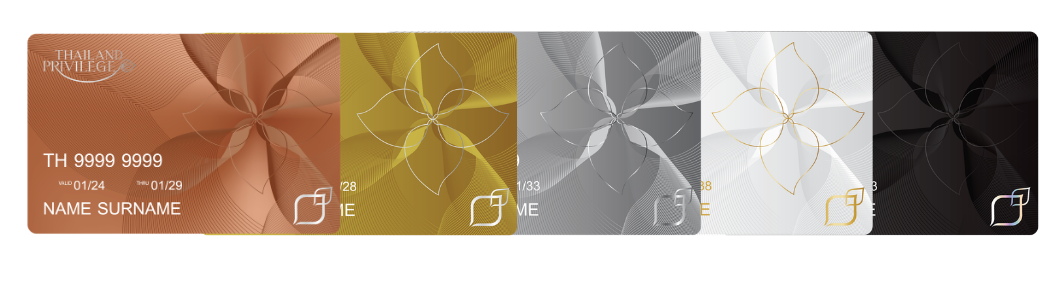
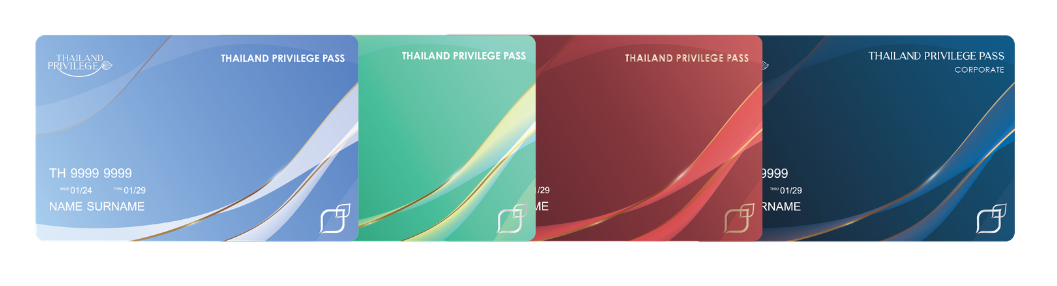
Thailand Privilege Card also simplifies long-term stay planning by providing multi-year visa validity, removing the need for annual renewals, border runs, or extension applications that standard tourist visa holders must manage independently. Its membership tiers include:
Starting with Thailand Privilege Card Platinum membership, discover how you can move to Thailand long-term. Learn more at www.thailandprivilege.co.th
Please note that all Thailand Privilege Card tiers grant long-term visa status. Members are not permitted to work or study in Thailand with their membership. Membership fees, benefits, and offers mentioned in this article are subject to change. For the most current information on pricing and terms, please visit the official Thailand Privilege Card website or contact our Member Contact Center (MCC) directly.
The best overall rates for where to exchange money in Thailand come from licensed independent exchange booths rather than banks, hotels, or airport counters.
Yes. Elite Personal Liaison (EPL) services assist members with the bank account opening process, provide documentation support, and, where needed, accompany members to branch appointments.
Thailand Privilege Card provides structured administrative and arrival support for members relocating to Bangkok. Elite Personal Assistant (EPA) facilitates VIP airport arrivals and departures, Elite Personal Liaison (EPL) manages government-related document processing, and Member Contact Center (MCC) provides an ongoing dedicated support channel for inquiries. The membership's multi-year visa validity also removes the need for annual renewals or border runs throughout the membership period.
No. All Thailand Privilege Card membership tiers grant long-term visa status. Members are not permitted to work or study in Thailand under their membership. Members who derive passive income, such as pensions, investments, or dividends, and who do not perform active work in Thailand, can legally reside under their membership. Those requiring employment authorization should consult an immigration specialist about appropriate visa categories.


Bangkok's best malls, from Siam Paragon to Iconsiam, make it one of Southeast Asia's top destinations for luxury shopping and premium retail.

Bangkok's nightlife spans rooftop bars, night markets, live music, and street food. Here is where to go out in Bangkok as a new long term resident.

Discover where to play the best golf courses in Thailand and how Thailand Privilege Card supports long-stay golfers with year-round play and perks.

Thailand offers some of the best wellness retreats in Asia for yoga, detox, and holistic health, drawing expats and retirees seeking long term balance.

Thailand's two coastlines and hundreds of islands make it one of Asia's most popular yacht destinations for luxury sailing yacht holidays year round.

Two coastlines, opposite seasons, and hundreds of islands make a Thailand island hopping tour unlike any other travel experience in Asia.

Discover the best things to do in Koh Samui for visitors and residents, and explore why this island is ideal for long-term living in Thailand.

Thailand's statutory VAT is 10%, but the applied rate stays at 7%. What expats need to know about the cost of living in Thailand and the latest VAT news.

From world class hospitals to dental savings of up to 70%, here is why Thailand medical tourism draws over 1.4 million patients a year.

From cool season to monsoon rains, here is Thailand's climate by month and what long term residents need to know before moving to Thailand.

From markets to night eats, here is a guide to Chinatown in Bangkok and how a multiple entry visa in Thailand makes exploring it all easier.

A practical guide to planning a wedding in Thailand for couples who are considering moving to Thailand afterward.

Discover Thailand's best water parks for families and expats. From Phuket to Bangkok, explore world-class attractions that make Thailand home.

Want a sustainable adventure in Thailand? Discover how to live an eco-conscious life while gaining long-term residency and luxury perks with the Privilege Card.

Escape winter! Thailand offers a year-round paradise. Make it your hassle-free second home with the Privilege Card, securing long-term visas and exclusive perks
Maximize your travel efficiency and overall experience! Learn expert strategies to effectively utilize you fast-track service and other valuable benefits
.webp)
Ready to ignite your senses with Thailand's captivating festivals in the latter half of 2025. Explore ancient rituals, colorful parades, and local celebrations.
.webp)
Dive into Thailand's vibrant music and arts festivals! Experience how these events reflect the dynamic pulse of Thai pop culture. Join the celebration!
Explore contemporary Thai arts and crafts that bridge tradition with modern inspiration. Uncover unique creations, from intricate textiles to modern sculptures.
.webp)
Go beyond Muay Thai. Explore the full spectrum of Thai martial arts, including "The Art of Eight Limbs" and lesser-known, powerful styles. Deepen your knowledge

Planning your Thai adventure? Navigate the tourist visa process with confidence. Our guide simplifies every step, ensuring a smooth start to your journey.

Tee off in paradise! Discover Thailand's world-class golf courses, offering stunning scenery and an unforgettable experience for every golfer.

Fully experience Thailand Pride Month 2025! Our guide empowers you to join the celebrations of love and equality, showcasing Thailand's vibrant spirit

Your ultimate escape awaits at Cape Fahn Private Islands, a premier choice among Koh Samui. Exclusive Thailand Privilege card can enhance your long-term stay.

Phuket is renowned for its stunning coastline, offering some of the best beaches in Phuket for travelers seeking sun, sea, and serenity. Among these gems.
.webp)
Phuket offers an array of villas perfectly suited for foreigners looking to experience the island's charm. Whether you're planning a short getaway or a long-term stay
.webp)
Experience luxury with Thailand residency benefits, including the prestigious Thailand Privilege Card, granting exclusive perks at Michelin-star dining in Bangkok.
.webp)
For golf enthusiasts seeking a memorable vacation or extended stay to explore Thailand's courses, the Thailand Privilege Card offers luxury and convenience.

Thailand has long been a popular destination for retirees, and it’s easy to see why. With its warm climate, affordable cost of living, friendly locals, and stunning landscapes, the country offers an appealing combination for those looking to relax and enjoy their golden years.
.webp)
In Pattaya, enjoy thrilling beach activities, luxurious stays, and exclusive perks with the Thailand Privilege Card for an unforgettable vacation experience
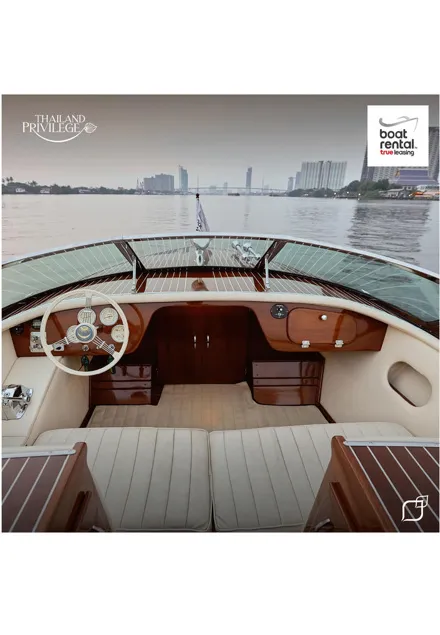
Discover Bangkok on a Chao Phraya River cruise, from serene sunsets to cultural tours. Use the Thailand Privilege Card for exclusive perks and seamless travel.

The island is packed with all sorts of fun water activities, from snorkeling to parasailing to zipline in the jungle and the list goes on. The night life on this island is also second to none
.webp)
If you wish to unwind, imbue the fancy art and be soothed by nature, Chiang Rai is the place to be. Located in the northernmost region of the country, Chiang Rai features untouched nature that rubs shoulders with the artistic Lanna culture. The province is starting to get more hip, with more cafés and restaurants popping up.

The metropolis that never sleeps, Bangkok is the has-it-all destination with a never-ending list of places to be explored from morning through night. Whether you are into art and culture or food, the city will startle you with the best of the best, delivered with flair.

For our very first highlight Thailand section, we would like to share with ...


Enter PIN
Please enter your pin code to continue.

Only for Thailand privilege card membership
Please log in or register card membership to redeem of experience more excluslve privileges