Play the Best Golf Courses in Thailand All Year
Discover where to play the best golf courses in Thailand and how Thailand Privilege Card supports long-stay golfers with year-round play and perks.

Chinatown, Bangkok, known locally as Yaowarat Chinatown, is one of the Thai capital's most enduring and energetic districts. Established more than two centuries ago by the Teochew Chinese community, the neighborhood balances living heritage with contemporary culture across gold shops, century old temples, incense filled alleyways, and some of Bangkok's most celebrated street food.
For those holding a multiple entry visa in Thailand and making Bangkok their long term base, Chinatown in Bangkok rewards repeat visits across every hour of the day. Thailand Privilege Card supports the kind of settled, long term residency from which that familiarity grows naturally. This guide covers everything residents need to know, from getting there and the best opening hours through to food, markets, and day and night activities.
Relocating to Bangkok involves considerably more than selecting a neighborhood. Visa planning, administrative setup, immigration reporting, and navigating local systems all require time and attention during the critical early months of a move. Thailand Privilege Card provides a structured long term stay option with multi year visa validity, significantly reducing the need for frequent renewals and the administrative burden that standard visa arrangements impose.
Elite Personal Liaison (EPL) assists members with documentation and government related processes including 90 day reporting, bank account application support, and driver's license facilitation. Elite Personal Assistant (EPA) delivers Airport VIP Services at Suvarnabhumi, Phuket, and Chiang Mai international airports, ensuring every arrival in Thailand is handled with speed and care. Member Contact Center (MCC) provides 24/7 multilingual support for any query or service coordination needed throughout a member's stay.
For expats, retirees, and remote professionals making Bangkok home, this level of coordinated support allows the transition to happen efficiently, freeing members to focus on the lifestyle experiences that a city like Bangkok offers in abundance, including everything Chinatown has to offer.
Yaowarat Chinatown was established in the late eighteenth century when King Rama I relocated the Chinese community from the area now occupied by the Grand Palace to the riverside district that would become Bangkok's commercial heart. The Teochew Chinese traders who settled there built a community that retained its distinct cultural identity across generations, and the neighborhood today reflects more than 200 years of unbroken Chinese heritage in Bangkok. Traditional shophouse architecture, Chinese language signage, spirit houses, and the scent of incense from active temples give Yaowarat a sensory character unlike any other district in the city.
Chinatown in Bangkok is centered on Yaowarat Road and the surrounding network of streets and alleys in the Samphanthawong district, situated along the eastern bank of the Chao Phraya River. The district borders the historic old city to the northwest and the Talat Noi riverside community to the south, placing it within easy reach of Bangkok's most significant cultural landmarks.
The most direct public transport option is the MRT Blue Line to Wat Mangkon station, which provides immediate access to the heart of Yaowarat Road. River transport via Chao Phraya Express Boat services stops at Ratchawong Pier, a short walk from the main streets of Chinatown in Bangkok and a particularly pleasant approach for residents of riverside districts. Taxi and ride hailing services through Grab and Bolt offer straightforward direct access from any Bangkok neighborhood, and Tuk Tuks remain a practical option for short trips within the area once you have arrived.
Yaowarat Road itself is straightforward to navigate on foot, running in a clear arc through the center of Chinatown, Bangkok, with most major food vendors, gold shops, and landmarks visible from the main street. The real depth of the district is found in its narrower alleys and Sois branching off the main road. Sampeng Lane runs parallel to Yaowarat and hosts one of Bangkok's busiest wholesale markets. The Talat Noi area to the south rewards unhurried exploration with its heritage shophouses, canal side murals, and local tea rooms that have operated for generations.
Chinatown, Bangkok opening hours vary significantly by business type, making the district rewarding to visit at almost any time of day. The area operates across a broad daily arc that changes character as the hours progress.
Morning to Afternoon
Markets, temples, wholesale shops, and traditional herbalist stores are active from early morning. This is the best time to visit Wat Mangkon, explore Sampeng Lane before crowds build, and browse the gold shops that are among Yaowarat's most recognizable institutions. Dim sum restaurants and traditional Chinese tea houses begin service from early morning and represent some of the most authentic daytime experiences Chinatown in Bangkok offers.
Late Afternoon
Street food vendors begin setting up along Yaowarat Road and the surrounding sois from around 4pm. This transitional period is an ideal time to arrive and explore before the evening crowds intensify.
Evening and Night
The Chinatown night market in Bangkok reaches its peak energy from around 6pm through midnight. Yaowarat Road transforms into one of the city's most atmospheric street dining experiences, with seafood, noodle dishes, and dessert vendors drawing both residents and visitors in large numbers. This is widely regarded as the defining experience of Chinatown, Bangkok, and the hour most long term residents return to most frequently.
Food is the primary reason most Bangkok residents make the journey to Yaowarat, and Chinatown in Bangkok delivers across every category from long standing restaurant institutions to street side vendors with decades of practice. Grilled seafood including whole fish, prawns, and crab is an evening staple. Kuay chap, a peppery pork offal noodle soup with rolled rice noodles, is a dish closely associated with the district. Dim sum is served from early morning at several well established restaurants. Mango sticky rice and traditional Chinese desserts round out a food itinerary that covers the full range of Chinese Thai culinary tradition.
Among the most rewarding things to do in Chinatown during the day is a walk through Sampeng Lane, one of the oldest wholesale markets in the city running parallel to Yaowarat Road. The lane stretches across several city blocks and carries an extraordinary range of goods including fabrics, accessories, seasonal decorations, and novelty items at prices aimed primarily at traders rather than tourists.
Wat Mangkon Kamalawat
Bangkok's most significant Chinese Buddhist temple sits at the northern end of Yaowarat and remains an active place of worship throughout the day. The temple's ornate gateway and incense filled interior reflect the religious and cultural heritage that defines Chinatown, Bangkok, at its most essential level.
Talat Noi Heritage District
South of Yaowarat, the Talat Noi riverside community offers a quieter and more visually layered experience than the main streets of Chinatown in Bangkok. Heritage shophouses, canal side street art, converted warehouse cafes, and narrow lanes that have changed little in decades make Talat Noi one of the city's most atmospheric neighborhoods for unhurried exploration.
Chinatown at night is among Bangkok's most memorable urban experiences. The street fills with vendors, diners, and the glow of neon signage that has made Chinatown, Bangkok, one of the most photographed districts in the city after dark. Rooftop bars overlooking the Yaowarat skyline have become established venues for both residents and visitors seeking a more elevated perspective on the neighborhood's energy.
Soi Nana
Running off Maitri Chit Road near the western edge of Chinatown in Bangkok, Soi Nana has developed into one of the city's most eclectic evening destinations, with specialty cafes, cocktail bars, and creative spaces that attract a mixed international crowd. It represents a newer layer of the district's identity alongside its more traditional character and is a natural addition to any evening visit.
The Chinatown market in Bangkok experience extends well beyond Sampeng Lane. Yaowarat Road itself hosts the city's highest concentration of gold shops, where gold jewelry and bullion are traded at rates that reflect real time market prices. Herbal medicine shops stocking traditional Chinese remedies, dried goods, and specialty ingredients occupy many of the older shophouses throughout Chinatown, Bangkok. Souvenir and specialty goods vendors are distributed throughout the main streets and alleys, offering items that range from religious artifacts to traditional Chinese New Year decorations and locally made food products.
For long term Bangkok residents, the quality of daily life is shaped as much by the stability of their legal and administrative foundation as by the neighborhoods they choose to explore. Thailand Privilege Card provides a multiple entry visa in Thailand with validity ranging from 5 to 20 years depending on the membership tier, removing the recurring administrative pressure that standard visa arrangements impose on long term residents.
Members gain residency stability to build genuine familiarity with Bangkok's districts, including Chinatown, over years rather than months. EPL manages 90 day reporting and government related documentation. EPA handles airport arrivals and departures with VIP processing. MCC is available around the clock for any service coordination or assistance request. Together these services allow members to focus their time and energy on living in Bangkok rather than managing it.
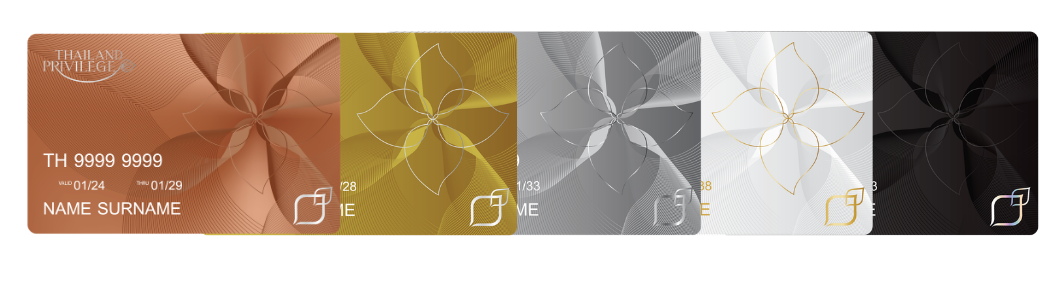
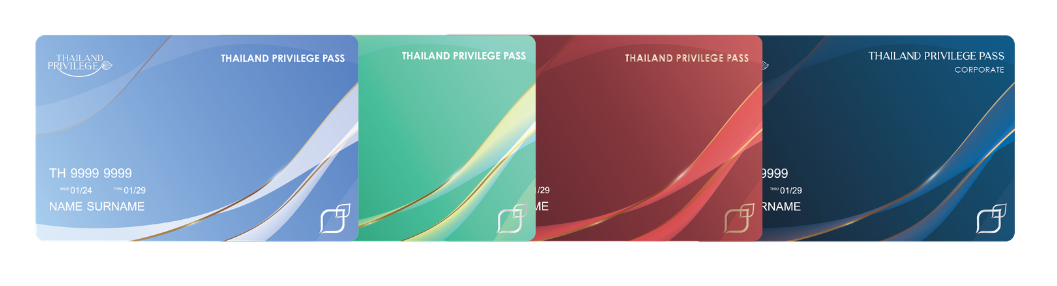
Thailand Privilege Card membership tiers are structured to suit a range of residency timelines and lifestyle priorities.
Platinum, Diamond, and Reserve tier members may add qualifying immediate family members through a supplementary membership*, with updated 2026 pricing as follows.
*Supplementary membership is available as a limited offer.
Important notice
All Thailand Privilege Card membership tiers grant long-term visa status only. Members are not permitted to work or study in Thailand under their membership.
Chinatown in Bangkok rewards the kind of unhurried familiarity that only long term residency makes possible. Starting with Thailand Privilege Platinum Card, explore how Thailand Privilege Card supports a smoother relocation journey and a more enriched daily life in Bangkok. Learn more about membership options at thailandprivilege.co.th.
Please note that all Thailand Privilege Card membership fees, benefits, and offers mentioned in this article are subject to change. For the most current pricing and terms, please visit the official Thailand Privilege Card website or contact Member Contact Center (MCC) directly.
Chinatown, Bangkok, opening hours vary by business type. Markets, temples, and traditional shops are active from early morning. Street food vendors begin setting up from around 4pm. The Chinatown night market in Bangkok reaches peak activity from early evening through midnight. The area as a whole is active throughout the day, with the evening hours generally regarded as the most atmospheric time to visit Yaowarat Road.
Among the best things to do in Chinatown in Bangkok are exploring Sampeng Lane wholesale market, visiting Wat Mangkon Kamalawat temple, walking the heritage streets of Talat Noi, browsing the gold shops and herbal stores along Yaowarat Road, and experiencing the evening street food scene that Chinatown, Bangkok, is internationally known for. The Soi Nana cafe and bar strip is a recommended addition to any evening visit.
Thailand Privilege Card provides a multiple entry long-term visa in Thailand with validity from 5 to 20 years, removing the need for frequent renewals. Elite Personal Liaison (EPL) manages 90 day reporting and government documentation. Elite Personal Assistant (EPA) handles Airport VIP Services on every arrival and departure. Member Contact Center (MCC) provides 24/7 multilingual support for any assistance request, allowing members to focus on living in Bangkok rather than managing administrative requirements.


Discover where to play the best golf courses in Thailand and how Thailand Privilege Card supports long-stay golfers with year-round play and perks.

Thailand offers some of the best wellness retreats in Asia for yoga, detox, and holistic health, drawing expats and retirees seeking long term balance.

Thailand's two coastlines and hundreds of islands make it one of Asia's most popular yacht destinations for luxury sailing yacht holidays year round.

Two coastlines, opposite seasons, and hundreds of islands make a Thailand island hopping tour unlike any other travel experience in Asia.

Discover the best things to do in Koh Samui for visitors and residents, and explore why this island is ideal for long-term living in Thailand.

Thailand's statutory VAT is 10%, but the applied rate stays at 7%. What expats need to know about the cost of living in Thailand and the latest VAT news.

From world class hospitals to dental savings of up to 70%, here is why Thailand medical tourism draws over 1.4 million patients a year.

From cool season to monsoon rains, here is Thailand's climate by month and what long term residents need to know before moving to Thailand.

A practical guide to planning a wedding in Thailand for couples who are considering moving to Thailand afterward.

Find out where to exchange money in Bangkok, Chiang Mai, and Phuket, plus how Thailand Privilege Card supports a long-term financial setup.

Discover Thailand's best water parks for families and expats. From Phuket to Bangkok, explore world-class attractions that make Thailand home.

Want a sustainable adventure in Thailand? Discover how to live an eco-conscious life while gaining long-term residency and luxury perks with the Privilege Card.

Escape winter! Thailand offers a year-round paradise. Make it your hassle-free second home with the Privilege Card, securing long-term visas and exclusive perks
Maximize your travel efficiency and overall experience! Learn expert strategies to effectively utilize you fast-track service and other valuable benefits
.webp)
Ready to ignite your senses with Thailand's captivating festivals in the latter half of 2025. Explore ancient rituals, colorful parades, and local celebrations.
.webp)
Dive into Thailand's vibrant music and arts festivals! Experience how these events reflect the dynamic pulse of Thai pop culture. Join the celebration!
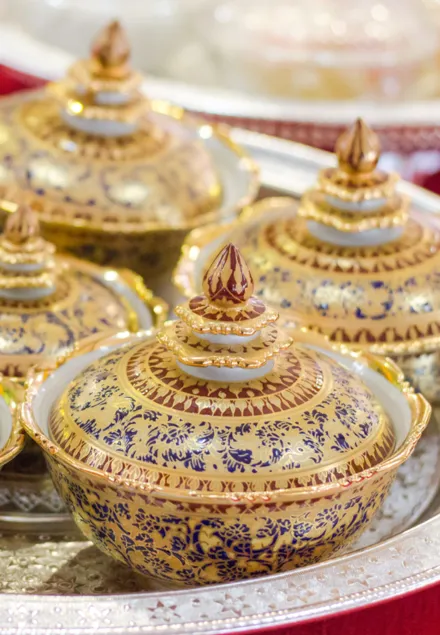
Explore contemporary Thai arts and crafts that bridge tradition with modern inspiration. Uncover unique creations, from intricate textiles to modern sculptures.
.webp)
Go beyond Muay Thai. Explore the full spectrum of Thai martial arts, including "The Art of Eight Limbs" and lesser-known, powerful styles. Deepen your knowledge

Planning your Thai adventure? Navigate the tourist visa process with confidence. Our guide simplifies every step, ensuring a smooth start to your journey.

Tee off in paradise! Discover Thailand's world-class golf courses, offering stunning scenery and an unforgettable experience for every golfer.

Fully experience Thailand Pride Month 2025! Our guide empowers you to join the celebrations of love and equality, showcasing Thailand's vibrant spirit

Your ultimate escape awaits at Cape Fahn Private Islands, a premier choice among Koh Samui. Exclusive Thailand Privilege card can enhance your long-term stay.
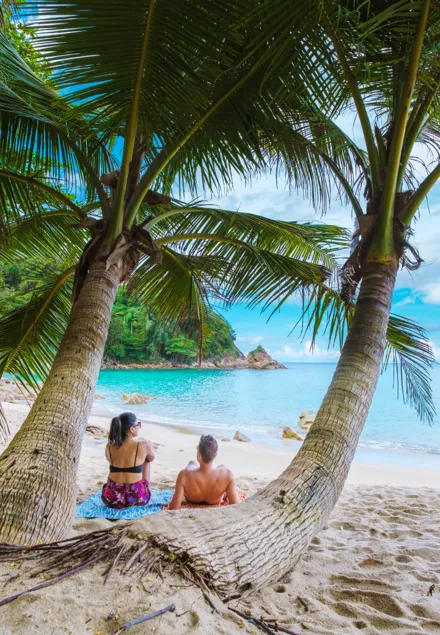
Phuket is renowned for its stunning coastline, offering some of the best beaches in Phuket for travelers seeking sun, sea, and serenity. Among these gems.
.webp)
Phuket offers an array of villas perfectly suited for foreigners looking to experience the island's charm. Whether you're planning a short getaway or a long-term stay
.webp)
Experience luxury with Thailand residency benefits, including the prestigious Thailand Privilege Card, granting exclusive perks at Michelin-star dining in Bangkok.
.webp)
For golf enthusiasts seeking a memorable vacation or extended stay to explore Thailand's courses, the Thailand Privilege Card offers luxury and convenience.

Thailand has long been a popular destination for retirees, and it’s easy to see why. With its warm climate, affordable cost of living, friendly locals, and stunning landscapes, the country offers an appealing combination for those looking to relax and enjoy their golden years.
.webp)
In Pattaya, enjoy thrilling beach activities, luxurious stays, and exclusive perks with the Thailand Privilege Card for an unforgettable vacation experience
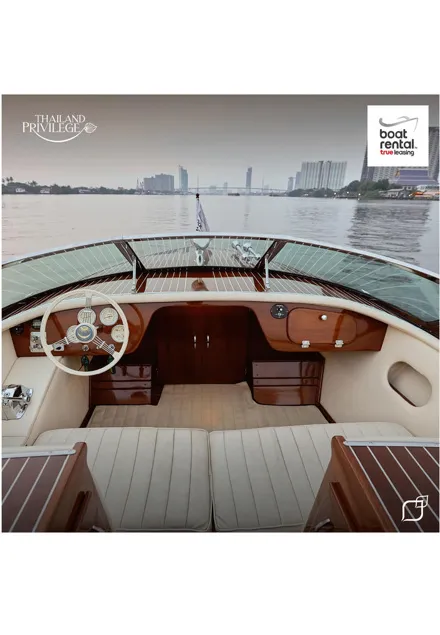
Discover Bangkok on a Chao Phraya River cruise, from serene sunsets to cultural tours. Use the Thailand Privilege Card for exclusive perks and seamless travel.
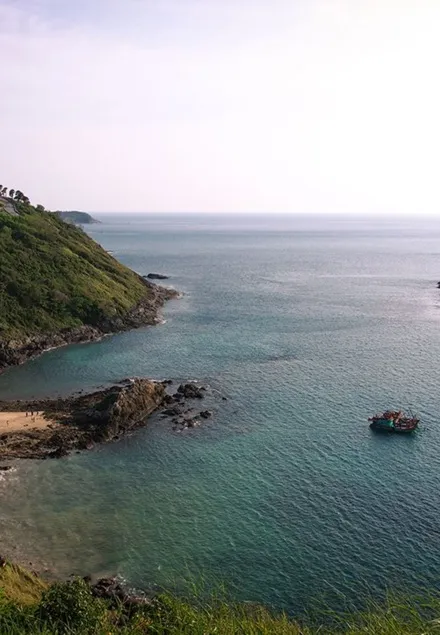
The island is packed with all sorts of fun water activities, from snorkeling to parasailing to zipline in the jungle and the list goes on. The night life on this island is also second to none
.webp)
If you wish to unwind, imbue the fancy art and be soothed by nature, Chiang Rai is the place to be. Located in the northernmost region of the country, Chiang Rai features untouched nature that rubs shoulders with the artistic Lanna culture. The province is starting to get more hip, with more cafés and restaurants popping up.

The metropolis that never sleeps, Bangkok is the has-it-all destination with a never-ending list of places to be explored from morning through night. Whether you are into art and culture or food, the city will startle you with the best of the best, delivered with flair.

For our very first highlight Thailand section, we would like to share with ...


Enter PIN
Please enter your pin code to continue.

Only for Thailand privilege card membership
Please log in or register card membership to redeem of experience more excluslve privileges