Luxury Shopping in Bangkok for Long Term Residents
Bangkok's best malls, from Siam Paragon to Iconsiam, make it one of Southeast Asia's top destinations for luxury shopping and premium retail.

Thailand's climate is tropical but far from uniform. Three distinct seasons, shaped by two monsoon systems, produce meaningfully different conditions across the country's northern highlands, central plains, and southern coasts. Moving to Thailand long term means understanding how those seasons affect daily life, from when to arrive and where to live to how to manage the hot season and plan around the rains. Thailand Privilege Card provides the multi year visa stability that allows members to settle into Thailand's seasonal rhythms from day one, without renewal deadlines disrupting their plans.
The climate in Thailand is classified as tropical and governed by two primary monsoon systems. The southwest monsoon drives the rainy season from May through October, bringing warm, humid conditions and afternoon rainfall across most of the country. The northeast monsoon governs the cool season from November through February, delivering drier air, lower humidity, and the most consistently pleasant conditions of the year. The hot season fills the gap between mid March and mid May, bringing the year's highest temperatures before the southwest monsoon arrives.
Geography creates meaningful regional variation. Bangkok and the central plains follow a relatively standard three season tropical cycle. Chiang Mai and northern Thailand experience the most pronounced seasonal swings, including cold nights in December and January and significant air quality degradation during the burning season from January through April. Phuket and the Andaman coast have a distinct wet season running from May through October. The Gulf of Thailand east coast, including the Koh Samui area, operates on a reversed rainy season peaking from October through December.
The cool season is widely regarded as the best time to arrive and settle in Thailand. In Bangkok, Thailand's temperature by month during this period sees daytime highs of 32 to 33°C (90 to 91°F) with lows around 23°C (73°F), low humidity, and largely clear skies. Conditions are comfortable for outdoor activity, neighborhood exploration, and the practical tasks of setting up a new life in the city.
In Chiang Mai, the cool season is more dramatic. Cold air intrusions from China can drop night temperatures to as low as 5°C (41°F) during December and January, and light layers are a practical necessity for evenings throughout the season. This is also peak tourist and expat arrival season across the country, meaning that international school enrollment, property leasing, and service availability all operate at their most active levels. Families enrolling children in international schools ahead of the August school year often arrive during June and July, at the start of the rainy season, and should plan their first weeks around the practical realities of that timing.
April is the hottest month across Thailand. Bangkok regularly reaches 34 to 37°C (93 to 99°F), and some inland northern cities exceed 40°C (104°F) during peak heat periods. Outdoor activity during midday hours requires meaningful heat management, and hydration and sun protection become non-negotiable daily habits rather than seasonal precautions.
Songkran, the Thai New Year celebrated from April 13 through 15, is one of the most significant cultural events in the Thai calendar and a highlight of long term resident life. The nationwide water festival brings communities together in a way that gives new residents an immediate and joyful introduction to Thai tradition. For families with children, Songkran is among the most memorable experiences Thailand offers.
For residents in Chiang Mai, the hot season overlaps with the burning season, which runs from January through April. Agricultural fires across the north produce haze and degraded air quality that reaches its worst levels in March and April. Long term Chiang Mai residents treat this as a practical planning consideration, using AirVisual for daily air quality monitoring, maintaining indoor air purifiers, and wearing N95 masks on high pollution days.
The southwest monsoon brings the rainy season across most of Thailand from mid May through October. Bangkok rainfall peaks in September and October at over 200mm per month, but the rain typically arrives as afternoon thunderstorms lasting one to three hours, leaving mornings largely dry and usable for outdoor plans. Temperatures remain between 28 and 32°C (82 to 90°F) throughout the season, and cloud cover provides some relief from the peak heat of the hot season.
Practical daily life considerations during the rainy season include localized flooding in low lying Bangkok neighborhoods during heavy rainfall events. Assessing flood risk before signing a lease in September or October is strongly advisable, particularly for ground floor units. An umbrella and waterproof footwear become essential daily items rather than occasional ones throughout this period.
Does it get cold in Thailand is one of the most frequently asked questions by prospective long term residents, and the answer depends entirely on where in the country one is based. In Bangkok, the answer is effectively no. December daytime highs remain at 32 to 33°C (90 to 91°F), and what long term Bangkok residents often describe as cold is simply a reduction in humidity and heat that feels dramatically different after months of tropical conditions. Newcomers arriving from colder climates should calibrate their expectations accordingly.
In Chiang Mai and the northern highlands, the answer is yes, within a Thai context. December and January nights can reach 5°C (41°F) during cold air intrusions from the north, with wide daily temperature swings between cool mornings and warm afternoons. A light jacket is a practical necessity for evenings throughout the cool season. In Phuket and the deep south, temperatures remain stable between 25 and 33°C (77 to 91°F) year round, and cold in any meaningful sense does not occur.
Bangkok follows a standard three season tropical cycle with September and October as peak rainfall months. The best weather window for new arrivals settling into daily life is November through mid February, when conditions are most consistently comfortable and the city's outdoor life and markets are at their most active.
Chiang Mai has the most pronounced seasonal variation of any major expat city in Thailand. Cool nights from November through February, burning season haze from January through April, and a rainy season peaking in August give the city a genuinely four dimensional climate that long term residents plan their year around. The average annual temperature of 25.1°C (77.2°F) makes it one of the more temperate major cities in the country overall.
Phuket receives heavy rainfall from May through October, with the driest and clearest conditions running from December through March. Peak tourist season coincides with the dry season, when accommodation and transport pricing reflects the highest demand of the year. Annual temperatures range from 25 to 33°C (77 to 91°F) with minimal variation outside of the wet and dry season distinction.
The Koh Samui area operates on a reversed rainy season compared to Phuket, with heaviest rainfall from October through December and a dry season running approximately from January through August. For families planning seasonal moves between Thailand's coasts, the Gulf of Thailand east coast functions as a useful complementary destination during months when the Andaman side is at its wettest.
November through February is the ideal arrival window for new residents settling into daily life across most of Thailand. Families enrolling children in international schools typically arrive in June or July ahead of the August school year start, and should plan their first weeks around the practical realities of arriving during the early rainy season.
Flood risk assessment is an important step before signing a Bangkok lease, particularly for properties in low lying areas during September and October. Air conditioning is a functional necessity throughout the year, not a premium feature, and should be assessed for coverage, condition, and running cost during any property viewing. Drainage infrastructure and building elevation are worth asking about specifically before committing to any ground floor unit in a flood prone district.
Hydration and sun protection are daily requirements throughout the year in Thailand, not seasonal ones. In Chiang Mai, the burning season requires active air quality monitoring through apps such as AirVisual, the use of indoor air purifiers in homes and offices, and N95 masks on high pollution days. These are practical considerations that experienced Chiang Mai residents manage as routine rather than exceptional measures.
Thailand Privilege Card provides multi year long-term visa stability that allows members to plan across Thailand's seasons without renewal disruption. Whether arriving during the peak cool season, relocating between regions for a burning season escape, or settling in ahead of the school year during the rainy season, members maintain uninterrupted residency status throughout.
Elite Personal Assistant (EPA) delivers Airport VIP Services at Suvarnabhumi, Phuket, and Chiang Mai international airports, which is particularly valuable during peak cool season arrival congestion in November and December when immigration queues extend significantly. Elite Personal Liaison (EPL) provides government concierge services that remove administrative burden regardless of which season members arrive in. Member Contact Center (MCC) offers 24/7 multilingual support for any query or assistance request throughout the year.
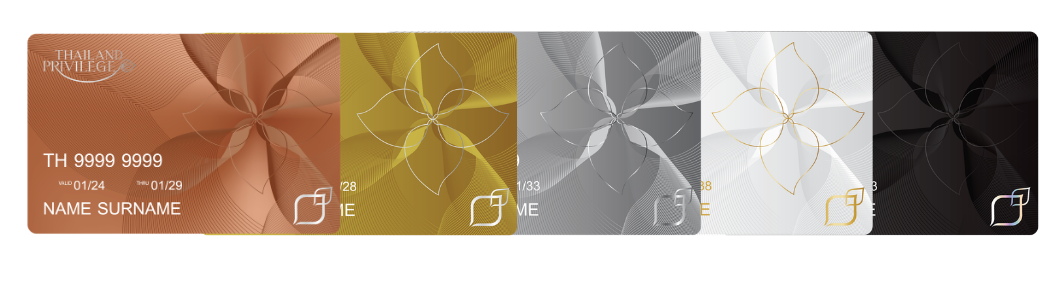
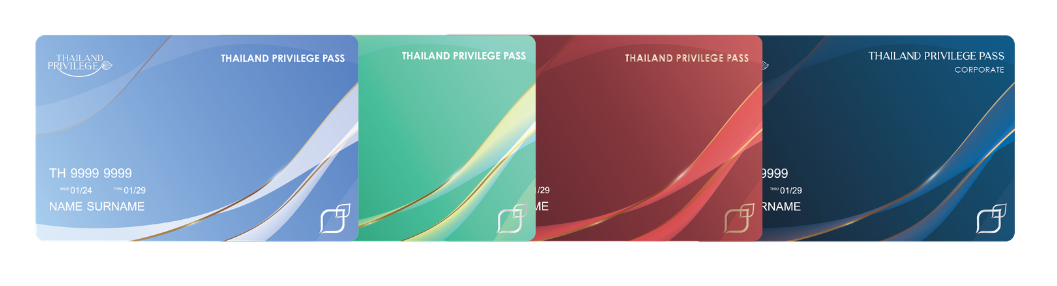
Thailand Privilege Card membership tiers are structured to suit a range of residency timelines and lifestyle expectations.
Platinum, Diamond, and Reserve tier members may add qualifying immediate family members through a supplementary membership*, with updated 2026 pricing as follows.
*Supplementary membership is available as a limited offer.
Important notice
All Thailand Privilege Card membership tiers grant long-term visa status only. Members are not permitted to work or study in Thailand under their membership.
Understanding Thailand's climate is one part of planning a successful long term move. Having the right residency foundation is the other. Starting with Thailand Privilege Platinum Card, explore the full range of membership tiers and privileges at thailandprivilege.co.th and begin your long term life in Thailand with the visa stability to enjoy every season it has to offer.
Please note that all Thailand Privilege Card membership fees, benefits, and offers mentioned in this article are subject to change. For the most current pricing and terms, please visit the official Thailand Privilege Card website or contact Member Contact Center (MCC) directly.
November through February is the best period for new arrivals across most of Thailand. The cool season brings low humidity, clear skies, and the most comfortable daily conditions of the year. For families enrolling children in international schools, June and July arrivals ahead of the August school year are common, though this timing coincides with the early rainy season.
In Bangkok and Phuket, cold in any meaningful sense does not occur. Bangkok's December daytime highs remain around 32 to 33°C (90 to 91°F). In Chiang Mai and the northern highlands, December and January nights can drop to 5°C (41°F) during cold air intrusions, making a light jacket a practical necessity for evenings throughout the cool season.
Thailand Privilege Card provides multi year long-term visa stability that allows members to plan seasonal moves, regional relocations, and arrival timing without renewal disruption. Elite Personal Assistant (EPA) manages airport arrivals with VIP processing. Elite Personal Liaison (EPL) handles government documentation and 90 day reporting. Member Contact Center (MCC) provides 24/7 multilingual support throughout the year. Members maintain uninterrupted residency status across all seasons and across all regions of Thailand.


Bangkok's best malls, from Siam Paragon to Iconsiam, make it one of Southeast Asia's top destinations for luxury shopping and premium retail.

Bangkok's nightlife spans rooftop bars, night markets, live music, and street food. Here is where to go out in Bangkok as a new long term resident.

Discover where to play the best golf courses in Thailand and how Thailand Privilege Card supports long-stay golfers with year-round play and perks.

Thailand offers some of the best wellness retreats in Asia for yoga, detox, and holistic health, drawing expats and retirees seeking long term balance.

Thailand's two coastlines and hundreds of islands make it one of Asia's most popular yacht destinations for luxury sailing yacht holidays year round.

Two coastlines, opposite seasons, and hundreds of islands make a Thailand island hopping tour unlike any other travel experience in Asia.

Discover the best things to do in Koh Samui for visitors and residents, and explore why this island is ideal for long-term living in Thailand.

Thailand's statutory VAT is 10%, but the applied rate stays at 7%. What expats need to know about the cost of living in Thailand and the latest VAT news.

From world class hospitals to dental savings of up to 70%, here is why Thailand medical tourism draws over 1.4 million patients a year.

From markets to night eats, here is a guide to Chinatown in Bangkok and how a multiple entry visa in Thailand makes exploring it all easier.

A practical guide to planning a wedding in Thailand for couples who are considering moving to Thailand afterward.

Find out where to exchange money in Bangkok, Chiang Mai, and Phuket, plus how Thailand Privilege Card supports a long-term financial setup.

Discover Thailand's best water parks for families and expats. From Phuket to Bangkok, explore world-class attractions that make Thailand home.

Want a sustainable adventure in Thailand? Discover how to live an eco-conscious life while gaining long-term residency and luxury perks with the Privilege Card.

Escape winter! Thailand offers a year-round paradise. Make it your hassle-free second home with the Privilege Card, securing long-term visas and exclusive perks
Maximize your travel efficiency and overall experience! Learn expert strategies to effectively utilize you fast-track service and other valuable benefits
.webp)
Ready to ignite your senses with Thailand's captivating festivals in the latter half of 2025. Explore ancient rituals, colorful parades, and local celebrations.
.webp)
Dive into Thailand's vibrant music and arts festivals! Experience how these events reflect the dynamic pulse of Thai pop culture. Join the celebration!
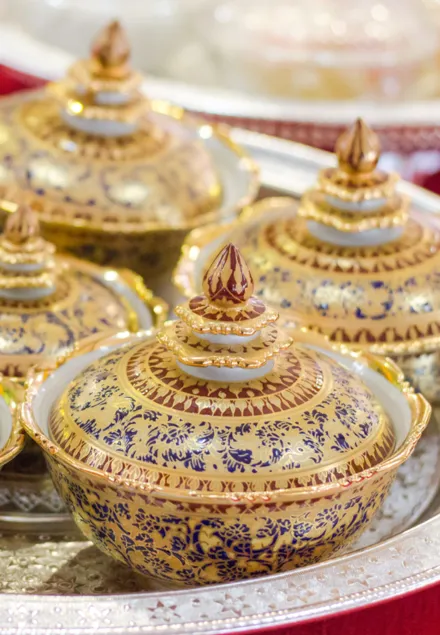
Explore contemporary Thai arts and crafts that bridge tradition with modern inspiration. Uncover unique creations, from intricate textiles to modern sculptures.
.webp)
Go beyond Muay Thai. Explore the full spectrum of Thai martial arts, including "The Art of Eight Limbs" and lesser-known, powerful styles. Deepen your knowledge

Planning your Thai adventure? Navigate the tourist visa process with confidence. Our guide simplifies every step, ensuring a smooth start to your journey.

Tee off in paradise! Discover Thailand's world-class golf courses, offering stunning scenery and an unforgettable experience for every golfer.

Fully experience Thailand Pride Month 2025! Our guide empowers you to join the celebrations of love and equality, showcasing Thailand's vibrant spirit

Your ultimate escape awaits at Cape Fahn Private Islands, a premier choice among Koh Samui. Exclusive Thailand Privilege card can enhance your long-term stay.

Phuket is renowned for its stunning coastline, offering some of the best beaches in Phuket for travelers seeking sun, sea, and serenity. Among these gems.
.webp)
Phuket offers an array of villas perfectly suited for foreigners looking to experience the island's charm. Whether you're planning a short getaway or a long-term stay
.webp)
Experience luxury with Thailand residency benefits, including the prestigious Thailand Privilege Card, granting exclusive perks at Michelin-star dining in Bangkok.
.webp)
For golf enthusiasts seeking a memorable vacation or extended stay to explore Thailand's courses, the Thailand Privilege Card offers luxury and convenience.
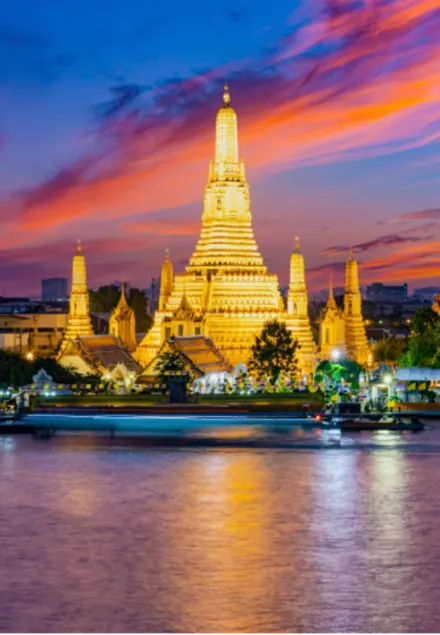
Thailand has long been a popular destination for retirees, and it’s easy to see why. With its warm climate, affordable cost of living, friendly locals, and stunning landscapes, the country offers an appealing combination for those looking to relax and enjoy their golden years.
.webp)
In Pattaya, enjoy thrilling beach activities, luxurious stays, and exclusive perks with the Thailand Privilege Card for an unforgettable vacation experience
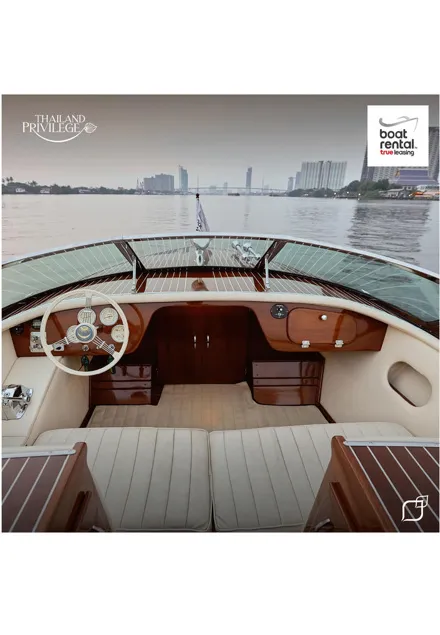
Discover Bangkok on a Chao Phraya River cruise, from serene sunsets to cultural tours. Use the Thailand Privilege Card for exclusive perks and seamless travel.

The island is packed with all sorts of fun water activities, from snorkeling to parasailing to zipline in the jungle and the list goes on. The night life on this island is also second to none
.webp)
If you wish to unwind, imbue the fancy art and be soothed by nature, Chiang Rai is the place to be. Located in the northernmost region of the country, Chiang Rai features untouched nature that rubs shoulders with the artistic Lanna culture. The province is starting to get more hip, with more cafés and restaurants popping up.

The metropolis that never sleeps, Bangkok is the has-it-all destination with a never-ending list of places to be explored from morning through night. Whether you are into art and culture or food, the city will startle you with the best of the best, delivered with flair.

For our very first highlight Thailand section, we would like to share with ...


Enter PIN
Please enter your pin code to continue.

Only for Thailand privilege card membership
Please log in or register card membership to redeem of experience more excluslve privileges