Luxury Shopping in Bangkok for Long Term Residents
Bangkok's best malls, from Siam Paragon to Iconsiam, make it one of Southeast Asia's top destinations for luxury shopping and premium retail.

Healthcare quality, cost, and accessibility are among the most consequential practical considerations for expats, retirees, and families evaluating a long term move abroad. On all three dimensions, medical tourism in Thailand has built a global reputation that increasingly influences not just where people seek treatment, but where they choose to live. Thailand's private hospital network is internationally accredited, staffed by specialists trained at leading institutions worldwide, and priced at a fraction of equivalent care in Western countries.
For those holding a multiple entry visa in Thailand through Thailand Privilege Card, this healthcare infrastructure is accessible as settled residents throughout the full membership period. Elite Personal Liaison (EPL) supports members with the administrative steps involved in establishing life in Thailand, while the visa stability of a multi year membership removes the uncertainty that short stay arrangements impose on long term health planning. This guide covers the scale of Thailand's medical tourism sector, the hospitals and procedures that drive it, the visa options available to medical travelers, and how Thailand Privilege Card membership supports consistent access to this ecosystem over time.
The scale of Thailand medical tourism is one of the clearest indicators of the sector's maturity. Thailand's medical tourism market was valued at USD 2.57 billion in 2023 and is projected to reach USD 16.0 billion by 2030, growing at a compound annual growth rate of 10.49% according to Grand View Research. Thailand attracts over 1.4 million international patients annually, with more than 60% traveling specifically for medical treatment rather than as part of a broader tourism visit, according to data from the Tourism Authority of Thailand published in 2025.
Medical tourists spend on average approximately 102% more per trip than general tourists, reflecting the higher daily expenditure associated with hospital stays, specialist consultations, and associated accommodation. Top source markets include the Middle East, specifically the UAE, Qatar, Oman, and Kuwait, alongside Cambodia, Bangladesh, China, Australia, and the United States, demonstrating the breadth of Thailand's international patient base across both regional and long haul origins.
Medical procedures in Thailand typically cost 40 to 70% less than equivalent treatment in the United States, United Kingdom, or Australia. For planned procedures including cardiac surgery, orthopedic interventions, and cancer treatment, the savings are substantial enough to justify international travel even when accommodation, transport, and recovery costs are factored in. For dental treatment in Thailand specifically, costs are typically 50 to 70% lower than in Western countries, which explains why dental care leads projected 2025 medical tourism market share at 29.6% according to Future Market Insights.
Thailand holds 62 Joint Commission International accredited hospitals as of 2024 to 2025, the highest number in Southeast Asia. Among the most prominent medical tourism hospitals in Thailand are Bumrungrad International Hospital, Bangkok Hospital, Samitivej Hospital, and Vejthani Hospital, all of which maintain dedicated international patient departments with English speaking coordinators, multilingual support staff, and direct billing arrangements with major international insurers including Cigna, Allianz, AXA, Pacific Cross, and BUPA. Most of Bangkok's leading hospitals are accessible via BTS Skytrain or MRT, reducing the logistical complexity of repeated appointments for patients on extended treatment programs.
Many of Thailand's leading physicians hold qualifications from medical institutions in the United States, United Kingdom, Europe, and Australia. Specialist consultations at major Bangkok hospitals are routinely conducted in English, and dedicated international patient coordinators manage the full care journey from initial consultation through discharge and follow up. This standard of professional accessibility and communication removes one of the most significant practical barriers that international patients face when seeking treatment abroad.
Thailand's medical tourism sector covers a broad spectrum of treatment categories, reflecting the diversity of its international patient base. The most frequently sought procedures include the following. Oncology and cancer care, which accounts for approximately 25% of medical tourism market share according to Grand View Research Cardiac and cardiovascular procedures Orthopedic surgery including joint replacements Dental treatment in Thailand, which leads 2025 projected market share and covers everything from routine care to complex restorative procedures Cosmetic and aesthetic surgery Fertility treatments including IVF and ICSI Gender affirming surgery, a category in which Thailand is regarded as a world leader Anti-aging and regenerative medicine Health checkups and preventive wellness programs
Thailand introduced a dedicated Thailand medical tourism visa category, the Non-Immigrant O-MT, for international patients requiring continuous treatment lasting more than 90 days. The visa is valid for one year on a multiple entry basis, allowing patients to enter and exit Thailand throughout the treatment period with a maximum stay of 90 days per visit. Qualifying conditions include cancer, cardiovascular disease, organ transplants, anti-aging and regenerative treatment, cosmetic surgery, dental care, and other conditions requiring extended medical management.
Key application requirements include a confirmed hospital appointment, health insurance coverage of at least THB 3 million, proof of financing capacity of at least THB 800,000, and a treatment plan and cost documentation from a partner hospital. Up to three family members, including a spouse and children, may accompany the visa holder without additional financial requirements. The visa fee is THB 5,000, with extensions beyond the initial year available at the same fee with additional medical certification. For shorter treatment courses, a Tourist MT Visa permits a 60 day stay extendable by 30 days, covering most elective procedures including dental work, cosmetic surgery, joint replacements, and fertility treatments.
Thailand Privilege Card is a long-term visa program, not a healthcare or medical program. The connection is a practical one. Stable multi year residency enables members to access Thailand's private healthcare infrastructure as settled residents, planning preventive care, specialist consultations, and ongoing health management across a long time horizon rather than around short stay visa windows. Members with multi year membership do not need to manage separate medical visa applications for routine or preventive care throughout their stay. Elite Personal Assistant (EPA) delivers Airport VIP Services at Suvarnabhumi, Phuket, and Chiang Mai international airports. EPL manages government documentation and 90 day reporting coordination. Member Contact Center (MCC) provides 24/7 multilingual support for any query or assistance request throughout a member's stay.
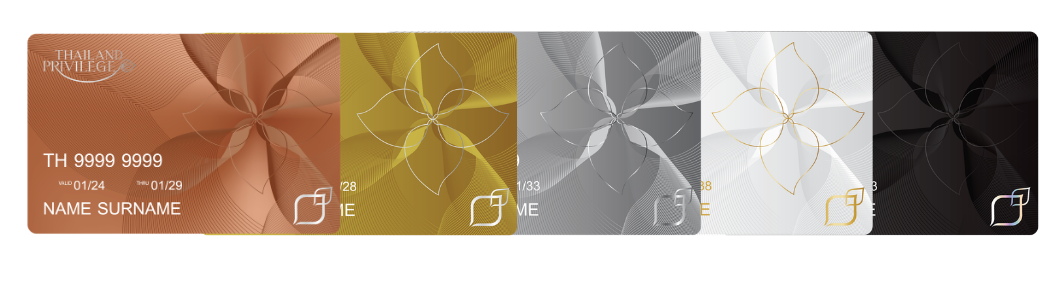
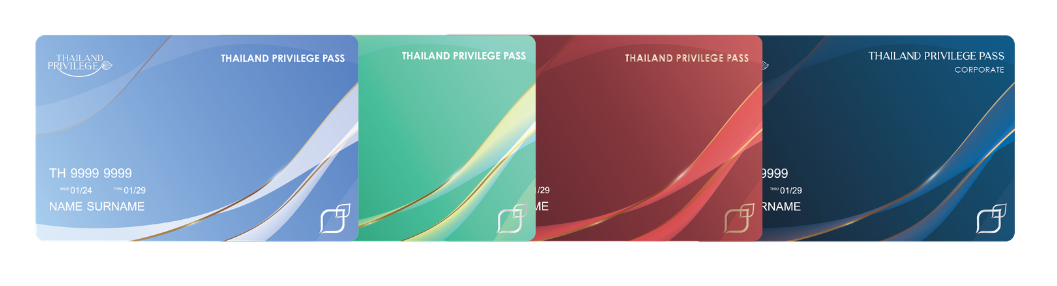
Thailand Privilege Card membership tiers are structured to suit a range of residency timelines and lifestyle expectations.
Platinum, Diamond, and Reserve tier members may add qualifying immediate family members through a supplementary membership*, with updated 2026 pricing as follows.
*Supplementary membership is available as a limited offer.
Important notice
All Thailand Privilege Card membership tiers grant long-term visa status only. Members are not permitted to work or study in Thailand under their membership.
Thailand's medical infrastructure is one of the strongest arguments for long term residency in the country. Starting with Thailand Privilege Platinum Card, explore the full range of membership tiers and privileges at thailandprivilege.co.th and build the stable residency foundation that consistent, planned access to Thailand's healthcare ecosystem requires.
Please note that all Thailand Privilege Card membership fees, benefits, and offers mentioned in this article are subject to change. For the most current pricing and terms, please visit the official Thailand Privilege Card website or contact Member Contact Center (MCC) directly.
Thailand's medical tourism market was valued at USD 2.57 billion in 2023 and is projected to reach USD 16.0 billion by 2030, growing at a compound annual growth rate of 10.49% according to Grand View Research. Thailand attracts over 1.4 million international patients annually, with more than 60% traveling specifically for treatment according to the Tourism Authority of Thailand.
Thailand has 62 JCI accredited hospitals, the highest number in Southeast Asia. Among the most established medical tourism hospitals in Thailand are Bumrungrad International Hospital, Bangkok Hospital, Samitivej Hospital, and Vejthani Hospital. All maintain dedicated international patient departments with English speaking staff and direct billing arrangements with major international insurers.
Thailand's medical tourism visa, formally the Non-Immigrant O-MT, is a one year multiple entry visa for international patients requiring continuous treatment lasting more than 90 days. Key requirements include a confirmed hospital appointment, health insurance coverage of at least THB 3 million, proof of financing of at least THB 800,000, and treatment documentation from a partner hospital. For shorter treatment stays, a Tourist MT Visa permits a 60 day stay extendable by 30 days.


Bangkok's best malls, from Siam Paragon to Iconsiam, make it one of Southeast Asia's top destinations for luxury shopping and premium retail.

Bangkok's nightlife spans rooftop bars, night markets, live music, and street food. Here is where to go out in Bangkok as a new long term resident.

Discover where to play the best golf courses in Thailand and how Thailand Privilege Card supports long-stay golfers with year-round play and perks.

Thailand offers some of the best wellness retreats in Asia for yoga, detox, and holistic health, drawing expats and retirees seeking long term balance.

Thailand's two coastlines and hundreds of islands make it one of Asia's most popular yacht destinations for luxury sailing yacht holidays year round.

Two coastlines, opposite seasons, and hundreds of islands make a Thailand island hopping tour unlike any other travel experience in Asia.

Discover the best things to do in Koh Samui for visitors and residents, and explore why this island is ideal for long-term living in Thailand.

Thailand's statutory VAT is 10%, but the applied rate stays at 7%. What expats need to know about the cost of living in Thailand and the latest VAT news.

From cool season to monsoon rains, here is Thailand's climate by month and what long term residents need to know before moving to Thailand.

From markets to night eats, here is a guide to Chinatown in Bangkok and how a multiple entry visa in Thailand makes exploring it all easier.

A practical guide to planning a wedding in Thailand for couples who are considering moving to Thailand afterward.

Find out where to exchange money in Bangkok, Chiang Mai, and Phuket, plus how Thailand Privilege Card supports a long-term financial setup.

Discover Thailand's best water parks for families and expats. From Phuket to Bangkok, explore world-class attractions that make Thailand home.

Want a sustainable adventure in Thailand? Discover how to live an eco-conscious life while gaining long-term residency and luxury perks with the Privilege Card.

Escape winter! Thailand offers a year-round paradise. Make it your hassle-free second home with the Privilege Card, securing long-term visas and exclusive perks

Maximize your travel efficiency and overall experience! Learn expert strategies to effectively utilize you fast-track service and other valuable benefits
.webp)
Ready to ignite your senses with Thailand's captivating festivals in the latter half of 2025. Explore ancient rituals, colorful parades, and local celebrations.
.webp)
Dive into Thailand's vibrant music and arts festivals! Experience how these events reflect the dynamic pulse of Thai pop culture. Join the celebration!
Explore contemporary Thai arts and crafts that bridge tradition with modern inspiration. Uncover unique creations, from intricate textiles to modern sculptures.
.webp)
Go beyond Muay Thai. Explore the full spectrum of Thai martial arts, including "The Art of Eight Limbs" and lesser-known, powerful styles. Deepen your knowledge

Planning your Thai adventure? Navigate the tourist visa process with confidence. Our guide simplifies every step, ensuring a smooth start to your journey.

Tee off in paradise! Discover Thailand's world-class golf courses, offering stunning scenery and an unforgettable experience for every golfer.

Fully experience Thailand Pride Month 2025! Our guide empowers you to join the celebrations of love and equality, showcasing Thailand's vibrant spirit

Your ultimate escape awaits at Cape Fahn Private Islands, a premier choice among Koh Samui. Exclusive Thailand Privilege card can enhance your long-term stay.

Phuket is renowned for its stunning coastline, offering some of the best beaches in Phuket for travelers seeking sun, sea, and serenity. Among these gems.
.webp)
Phuket offers an array of villas perfectly suited for foreigners looking to experience the island's charm. Whether you're planning a short getaway or a long-term stay
.webp)
Experience luxury with Thailand residency benefits, including the prestigious Thailand Privilege Card, granting exclusive perks at Michelin-star dining in Bangkok.
.webp)
For golf enthusiasts seeking a memorable vacation or extended stay to explore Thailand's courses, the Thailand Privilege Card offers luxury and convenience.

Thailand has long been a popular destination for retirees, and it’s easy to see why. With its warm climate, affordable cost of living, friendly locals, and stunning landscapes, the country offers an appealing combination for those looking to relax and enjoy their golden years.
.webp)
In Pattaya, enjoy thrilling beach activities, luxurious stays, and exclusive perks with the Thailand Privilege Card for an unforgettable vacation experience
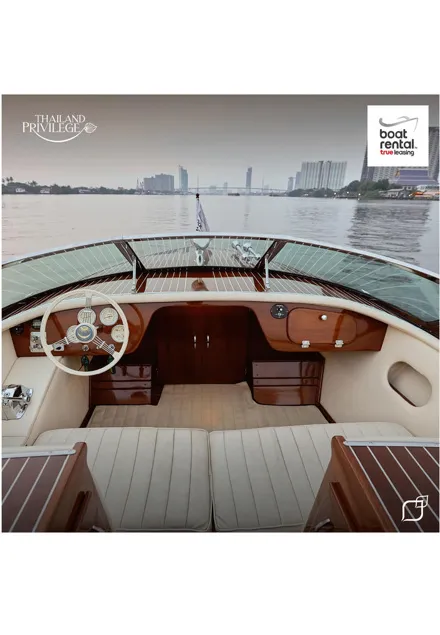
Discover Bangkok on a Chao Phraya River cruise, from serene sunsets to cultural tours. Use the Thailand Privilege Card for exclusive perks and seamless travel.

The island is packed with all sorts of fun water activities, from snorkeling to parasailing to zipline in the jungle and the list goes on. The night life on this island is also second to none
.webp)
If you wish to unwind, imbue the fancy art and be soothed by nature, Chiang Rai is the place to be. Located in the northernmost region of the country, Chiang Rai features untouched nature that rubs shoulders with the artistic Lanna culture. The province is starting to get more hip, with more cafés and restaurants popping up.

The metropolis that never sleeps, Bangkok is the has-it-all destination with a never-ending list of places to be explored from morning through night. Whether you are into art and culture or food, the city will startle you with the best of the best, delivered with flair.

For our very first highlight Thailand section, we would like to share with ...


Enter PIN
Please enter your pin code to continue.

Only for Thailand privilege card membership
Please log in or register card membership to redeem of experience more excluslve privileges