Luxury Shopping in Bangkok for Long Term Residents
Bangkok's best malls, from Siam Paragon to Iconsiam, make it one of Southeast Asia's top destinations for luxury shopping and premium retail.

Thailand has long held a defining place on the world's island hopping map. With hundreds of islands spread across two coastlines, consistent dry seasons on both sides of the peninsula, and a marine environment that ranges from Andaman limestone karst scenery to Gulf of Thailand coral gardens, island hopping in Thailand offers a depth and variety that few comparable destinations in the world match.
The real luxury of a Thailand island hopping tour is not covering the maximum number of islands in the shortest possible time. It is having enough time on the ground to slow down, revisit favorites, and allow each island to reveal itself properly. For those exploring a digital nomad visa in Thailand or holding long-term residency through Thailand Privilege Card, that kind of unhurried exploration is exactly what multi-year visa stability makes possible. Members often spend weeks or months drifting between islands at their own pace, following the dry season rather than a fixed departure date.
Thailand's two coastlines offer distinct experiences and operate on opposite monsoon calendars, which is the single most important planning consideration for any Thailand island hopping itinerary. The Andaman Sea to the west is known for its dramatic limestone formations, emerald water visibility, and some of Southeast Asia's best dive sites. The Gulf of Thailand to the east offers a tighter island circuit with easier connections, a more developed hospitality infrastructure on the larger islands, and a longer overall dry season window.
The Andaman is at its best from December through April. The Gulf runs clearest from February through September. For Thailand Privilege Card members with flexible long-term stays, the ideal approach is simply to follow the dry season, spending the cool months on the Andaman coast and transitioning to the Gulf as the southwest monsoon arrives.
Phuket
Phuket is the natural gateway for any Andaman island hopping tour in Thailand, with direct international flights and well organized ferry and speedboat connections to the wider Andaman network. The island itself warrants at least two nights before continuing south, offering a range of beach environments, nightlife, and cuisine that set the tone for the journey ahead.
Phi Phi Islands
The Phi Phi archipelago is one of Thailand's most photographed island groups, best appreciated as a day trip or an overnight stop rather than a longer stay. Maya Bay on Phi Phi Leh and the limestone views from Phi Phi Don's viewpoint are among the most iconic scenes in Southeast Asian travel.
Railay
Accessible only by boat from Krabi town or Ao Nang, Railay is a beach peninsula surrounded by limestone cliffs that makes it one of the most visually dramatic stops on the Andaman route. Phra Nang Beach consistently ranks among Thailand's finest, and the rock climbing scene here is world class in standard and variety.
Koh Lanta
Koh Lanta offers a noticeably more relaxed pace than Phi Phi or Railay, with a long west coast beach, a strong diving scene around the nearby Koh Haa and Hin Daeng sites, and a laid back village atmosphere that rewards longer stays over rushed day visits.
Koh Lipe
Located near the Malaysian border, Koh Lipe is often described as Thailand's answer to the Maldives, with powdery white sand beaches, crystal clear water, and a small island scale that creates an atmosphere of genuine remoteness despite a well developed resort and dining scene. Allow at least three nights to appreciate it properly. A suggested 10 to 14 day Andaman itinerary would move south from Phuket through Phi Phi and Railay to Koh Lanta before ending at Koh Lipe.
Koh Samui
Koh Samui is the Gulf coast's most developed island and the natural entry point for the Gulf circuit, with direct flights from Bangkok and good ferry connections to the surrounding islands. It suits families and couples who want a comfortable, well serviced base with a wide range of accommodation, dining, and wellness options.
Koh Phangan
A short ferry ride from Koh Samui, Koh Phangan is best known internationally for its Full Moon Party on Haad Rin beach, but the island has much more to offer. Its northern and eastern coasts hold quiet, genuinely beautiful coves that feel entirely removed from the party scene, making it a rewarding destination across multiple days.
Koh Tao
Koh Tao is among Southeast Asia's leading dive destinations and the most affordable place in the world to complete an open water PADI certification. Even for non-divers, the snorkeling around the island's bays and rocky headlands is exceptional. A minimum of three nights allows time for both underwater exploration and the island's enjoyable small town atmosphere.
Koh Chang
Further northeast toward the Cambodian border, Koh Chang offers a distinct and less visited character compared to the Samui triangle. Jungle interior, waterfalls accessible by motorbike, and a quieter beach scene make it an ideal final stop for those who want to finish a Gulf itinerary somewhere genuinely off the main tourist corridor. A suggested 7 to 10 day Gulf itinerary moves from Koh Samui through Koh Phangan and Koh Tao before either returning to Bangkok or extending to Koh Chang.
Ferries, speedboats, longtail boats, and combined fly and ferry tickets are the primary transport options across island hopping tours in Thailand. Overnight ferries between major island groups offer a practical and atmospheric alternative to daytime connections for longer crossings. Choosing a hub island close to a main pier at each stage of the itinerary provides the most flexibility for day trips and onward connections without committing to fixed schedules too far in advance.
For Thailand Privilege Card members, the island hopping experience begins before reaching the water. Elite Personal Assistant (EPA) delivers Airport VIP Services at Suvarnabhumi and Phuket international airports, managing arrivals and connecting flights with fast track immigration processing so that the journey from international flight to the first island is handled with the efficiency that the rest of the trip deserves.
The Andaman coast is at its clearest and calmest from December through April, with February and March typically offering the best combination of visibility, calm seas, and manageable crowd levels at the most popular destinations. The Gulf of Thailand coast runs from February through September, with March through May delivering the most reliably clear conditions before the onset of the later northeast monsoon.
For travelers with the flexibility of a long-term stay, following the dry season from west to east across the two coasts is the ideal approach to experiencing the full range of what island hopping in Thailand offers across a single extended trip or a recurring annual rhythm.
The most common mistake on a Thailand island hopping itinerary is attempting to cover too many islands in too little time. Each island transfer consumes at least half a day and often more, and arriving to immediately prepare for the next departure produces fatigue rather than enjoyment. A minimum of three nights per island allows enough time to settle in, explore at a relaxed pace, and actually experience what makes each destination distinctive.
Booking air conditioned rooms with mosquito netting is strongly advisable across all island accommodation categories, particularly during shoulder months when humidity and insect activity increase. For any query, service coordination request, or assistance needed during an island stay, Member Contact Center (MCC) is available 24/7 in multiple languages and provides a reliable point of contact regardless of how remote the island or how limited the local English language availability.
Long-term residency through Thailand Privilege Card changes the fundamental character of island exploration. With no visa run deadlines, no annual renewal pressure, and the freedom to return to favorite islands across different seasons, members engage with Thailand's coastline on their own terms rather than within the constraints of a fixed departure window. An island that feels crowded during peak season can be revisited in the shoulder months at a fraction of the accommodation cost and with a noticeably different atmosphere.
Elite Personal Liaison (EPL) manages 90 day reporting and government documentation throughout the membership period, meaning that even extended island stays across multiple destinations do not generate administrative complications back on the mainland. Member Contact Center (MCC) remains accessible throughout.
Families exploring Thailand's islands together benefit from supplementary membership, which extends the same long-term visa stability and lifestyle privileges to qualifying immediate family members. Updated 2026 pricing is as follows.
*Supplementary membership is available as a limited offer.
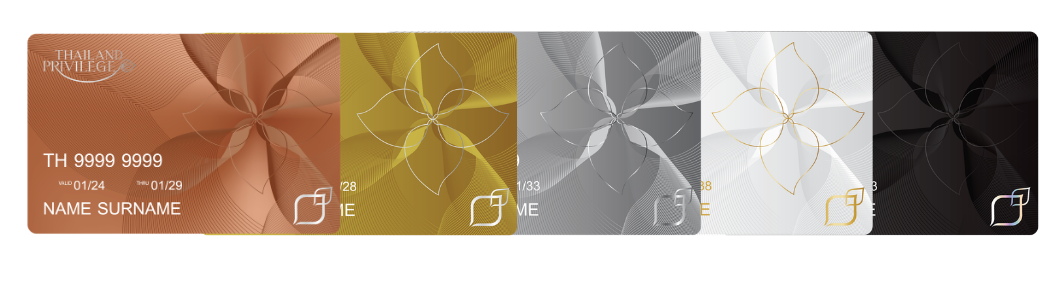
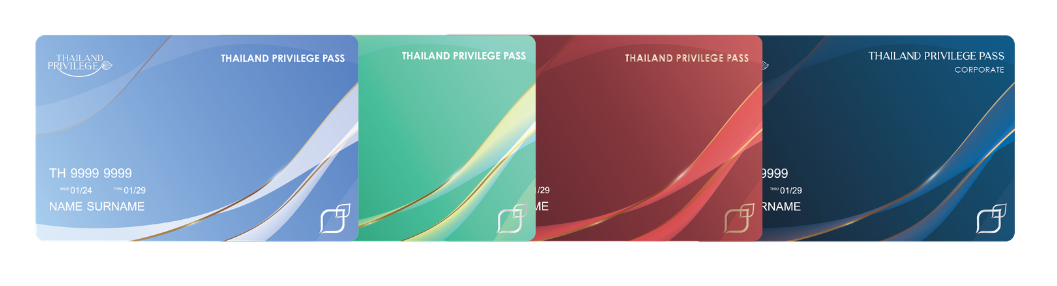
Thailand Privilege Card membership tiers provide the following long-term visa options.
Important notice
All Thailand Privilege Card membership tiers grant long-term visa status only. Members are not permitted to work or study in Thailand under their membership.
Thailand's islands are best explored without a countdown clock. Starting with Thailand Privilege Platinum Card, discover how Thailand Privilege Card membership gives long-term residents the visa stability, travel support, and lifestyle access to experience island hopping in Thailand at its finest. Learn more at thailandprivilege.co.th.
Please note that all Thailand Privilege Card membership fees, benefits, and offers mentioned in this article are subject to change. For the most current pricing and terms, please visit the official Thailand Privilege Card website or contact Member Contact Center (MCC) directly.
The best time depends on which coast you plan to visit. The Andaman Sea is clearest and calmest from December through April. The Gulf of Thailand coast runs from February through September. For travelers with the flexibility of a long-term stay, following the dry season across both coasts across a single extended trip or across different seasons of the year is the ideal approach.
Start by choosing which coast suits your travel window and interests. For the Andaman, a 10 to 14 day itinerary moving south from Phuket through Phi Phi, Railay, Koh Lanta, and Koh Lipe covers the highlights at a manageable pace. For the Gulf, a 7 to 10 day circuit through Koh Samui, Koh Phangan, and Koh Tao with an optional extension to Koh Chang provides strong variety. Allow at least three nights per island to avoid the rushed island transfer experience that diminishes enjoyment.
The main options are ferries, speedboats, longtail boats, and combined fly and ferry tickets for longer crossings. Overnight ferries are practical for major inter-island distances and add an atmospheric dimension to the journey. Choosing a hub island close to a main pier at each stage of an itinerary provides the most flexibility for day trips and onward connections without committing to rigid schedules too far in advance.
Yes. Thailand Privilege Card members hold long-term visa status for between 5 and 20 years depending on their tier, which allows them to travel freely within Thailand including between islands without visa renewal pressure determining their itinerary. Elite Personal Assistant (EPA) manages international airport arrivals with VIP processing at Suvarnabhumi and Phuket. Member Contact Center (MCC) provides 24/7 support throughout any island stay. All membership tiers grant long-term visa status only. Members are not permitted to work or study in Thailand under their membership.


Bangkok's best malls, from Siam Paragon to Iconsiam, make it one of Southeast Asia's top destinations for luxury shopping and premium retail.

Bangkok's nightlife spans rooftop bars, night markets, live music, and street food. Here is where to go out in Bangkok as a new long term resident.

Discover where to play the best golf courses in Thailand and how Thailand Privilege Card supports long-stay golfers with year-round play and perks.

Thailand offers some of the best wellness retreats in Asia for yoga, detox, and holistic health, drawing expats and retirees seeking long term balance.

Thailand's two coastlines and hundreds of islands make it one of Asia's most popular yacht destinations for luxury sailing yacht holidays year round.

Discover the best things to do in Koh Samui for visitors and residents, and explore why this island is ideal for long-term living in Thailand.

Thailand's statutory VAT is 10%, but the applied rate stays at 7%. What expats need to know about the cost of living in Thailand and the latest VAT news.

From world class hospitals to dental savings of up to 70%, here is why Thailand medical tourism draws over 1.4 million patients a year.

From cool season to monsoon rains, here is Thailand's climate by month and what long term residents need to know before moving to Thailand.

From markets to night eats, here is a guide to Chinatown in Bangkok and how a multiple entry visa in Thailand makes exploring it all easier.

A practical guide to planning a wedding in Thailand for couples who are considering moving to Thailand afterward.

Find out where to exchange money in Bangkok, Chiang Mai, and Phuket, plus how Thailand Privilege Card supports a long-term financial setup.

Discover Thailand's best water parks for families and expats. From Phuket to Bangkok, explore world-class attractions that make Thailand home.

Want a sustainable adventure in Thailand? Discover how to live an eco-conscious life while gaining long-term residency and luxury perks with the Privilege Card.

Escape winter! Thailand offers a year-round paradise. Make it your hassle-free second home with the Privilege Card, securing long-term visas and exclusive perks

Maximize your travel efficiency and overall experience! Learn expert strategies to effectively utilize you fast-track service and other valuable benefits
.webp)
Ready to ignite your senses with Thailand's captivating festivals in the latter half of 2025. Explore ancient rituals, colorful parades, and local celebrations.
.webp)
Dive into Thailand's vibrant music and arts festivals! Experience how these events reflect the dynamic pulse of Thai pop culture. Join the celebration!
Explore contemporary Thai arts and crafts that bridge tradition with modern inspiration. Uncover unique creations, from intricate textiles to modern sculptures.
.webp)
Go beyond Muay Thai. Explore the full spectrum of Thai martial arts, including "The Art of Eight Limbs" and lesser-known, powerful styles. Deepen your knowledge

Planning your Thai adventure? Navigate the tourist visa process with confidence. Our guide simplifies every step, ensuring a smooth start to your journey.

Tee off in paradise! Discover Thailand's world-class golf courses, offering stunning scenery and an unforgettable experience for every golfer.

Fully experience Thailand Pride Month 2025! Our guide empowers you to join the celebrations of love and equality, showcasing Thailand's vibrant spirit

Your ultimate escape awaits at Cape Fahn Private Islands, a premier choice among Koh Samui. Exclusive Thailand Privilege card can enhance your long-term stay.
Phuket is renowned for its stunning coastline, offering some of the best beaches in Phuket for travelers seeking sun, sea, and serenity. Among these gems.
.webp)
Phuket offers an array of villas perfectly suited for foreigners looking to experience the island's charm. Whether you're planning a short getaway or a long-term stay
.webp)
Experience luxury with Thailand residency benefits, including the prestigious Thailand Privilege Card, granting exclusive perks at Michelin-star dining in Bangkok.
.webp)
For golf enthusiasts seeking a memorable vacation or extended stay to explore Thailand's courses, the Thailand Privilege Card offers luxury and convenience.

Thailand has long been a popular destination for retirees, and it’s easy to see why. With its warm climate, affordable cost of living, friendly locals, and stunning landscapes, the country offers an appealing combination for those looking to relax and enjoy their golden years.
.webp)
In Pattaya, enjoy thrilling beach activities, luxurious stays, and exclusive perks with the Thailand Privilege Card for an unforgettable vacation experience
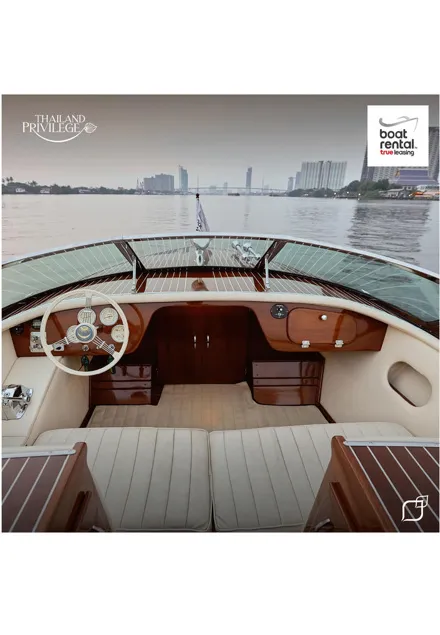
Discover Bangkok on a Chao Phraya River cruise, from serene sunsets to cultural tours. Use the Thailand Privilege Card for exclusive perks and seamless travel.
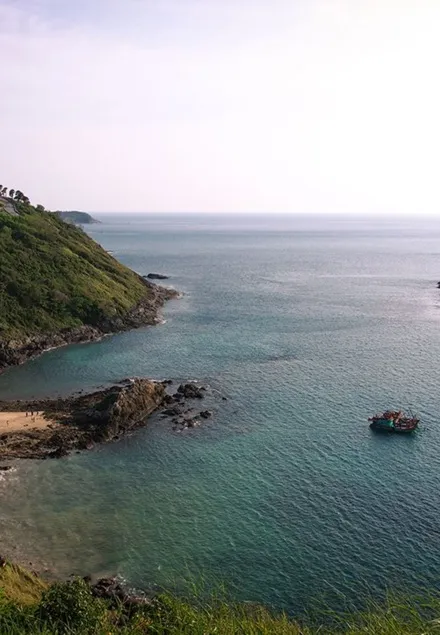
The island is packed with all sorts of fun water activities, from snorkeling to parasailing to zipline in the jungle and the list goes on. The night life on this island is also second to none
.webp)
If you wish to unwind, imbue the fancy art and be soothed by nature, Chiang Rai is the place to be. Located in the northernmost region of the country, Chiang Rai features untouched nature that rubs shoulders with the artistic Lanna culture. The province is starting to get more hip, with more cafés and restaurants popping up.

The metropolis that never sleeps, Bangkok is the has-it-all destination with a never-ending list of places to be explored from morning through night. Whether you are into art and culture or food, the city will startle you with the best of the best, delivered with flair.
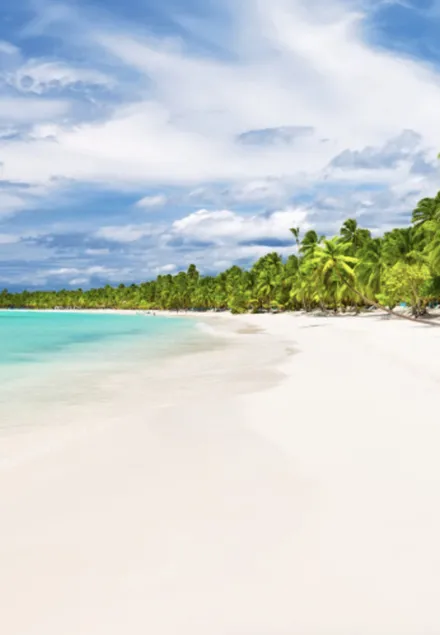
For our very first highlight Thailand section, we would like to share with ...


Enter PIN
Please enter your pin code to continue.

Only for Thailand privilege card membership
Please log in or register card membership to redeem of experience more excluslve privileges