Luxury Shopping in Bangkok for Long Term Residents
Bangkok's best malls, from Siam Paragon to Iconsiam, make it one of Southeast Asia's top destinations for luxury shopping and premium retail.

Koh Samui is widely recognized for its white-sand beaches and clear waters, but the island offers far more than a postcard-perfect holiday. A well-developed infrastructure, diverse cultural attractions, accessible wellness scene, and established international community make Koh Samui one of Thailand’s most compelling long-term living destinations.
For those exploring Thailand Privilege Visa, Koh Samui offers a practical and appealing base. Many expats and remote professionals visit first, drawn by the island’s reputation as a resort destination, and then begin considering relocation after experiencing the quality of daily life firsthand. Exploring things to do in Koh Samui from a resident perspective reveals a lifestyle that combines natural surroundings with genuine convenience.
Relocating to Thailand requires long-term planning that extends well beyond choosing a destination. Visa logistics, administrative requirements, and practical daily setup demands represent real challenges for newcomers. Thailand Privilege Card addresses these through structured long-term stay solutions and dedicated member support.
Members benefit from multi-year visa validity, eliminating the annual renewal cycles associated with traditional visa categories. This stability allows individuals and families to commit to Koh Samui living with confidence.
Support services include
This combination of visa stability and practical support allows individuals to focus on discovering things to do in Koh Samui while their administrative transition proceeds smoothly in the background.
Koh Samui combines natural beauty with developed infrastructure. Modern hospitals, international schools, well-stocked supermarkets, quality restaurants, and reliable internet connectivity sit alongside beaches, temples, and rainforests. Koh Samui maintains a measured pace that many long-term residents find preferable.
Koh Samui accommodates diverse lifestyle requirements across resident types:
Koh Samui International Airport receives direct flights from Bangkok and from regional hubs. Ferry connections from Surat Thani and neighboring islands provide additional travel flexibility. For Thailand Privilege Card members, EPA airport services ensure arrivals and departures remain efficient and comfortable regardless of how often travel occurs.
Whether you are visiting Koh Samui for the first time or scouting potential residential areas, the island provides a wide range of experiences. The following things to do in Koh Samui cover beaches, cultural sites, outdoor activities, and local market experiences that define island life.
Chaweng Beach
Roughly a 10-15 minute drive from Samui International Airport, Chaweng Beach stretches along the northeastern coast, making it the island's longest and most developed beach. The area combines clear water and white sand with proximity to restaurants, shops, and nightlife. It suits visitors who want beach access alongside amenities within easy reach.
Lamai Beach
Lamai Beach offers a slightly more relaxed alternative on the southeastern coast, roughly a 10-15 minute drive from Samui International Airport. The beach draws visitors seeking good swimming conditions and a less intense commercial atmosphere than Chaweng. Nearby accommodations range from budget guesthouses to upscale villa properties.
Fisherman’s Village in Bophut represents one of Koh Samui’s most distinctive areas. The historic Chinese-influenced shophouse architecture has been thoughtfully converted into boutique restaurants, cafés, art galleries, and concept stores. The Friday Night Walking Street market draws both visitors and residents for food, crafts, and community atmosphere.
Ang Thong National Marine Park sits approximately 30 kilometers northwest of Koh Samui and ranks among the Gulf of Thailand’s most impressive natural protected areas. The park encompasses 42 islands covering approximately 102 square kilometers and features limestone formations, hidden lagoons, and diverse marine ecosystems. Day trips from Koh Samui allow visitors and residents to experience island hopping, snorkeling in clear waters, kayaking through sea caves, and hiking to elevated viewpoints across the archipelago.
Wat Phra Yai (Big Buddha Temple)
Located on a small island connected by a causeway to the northeastern coast, Wat Phra Yai houses a 12-meter golden Buddha statue that serves as one of Koh Samui's most recognizable landmarks. The temple site offers panoramic sea views and is an important place of worship for local residents, as well as a visitor attraction. Appropriate dress covering shoulders and knees is required for entry.
Wat Plai Laem
This working temple features a large 18-armed statue of Guanyin, the Chinese goddess of mercy, positioned over a lake. Colorful architectural details and the opportunity to feed fish in the surrounding water make it popular with families. The temple sits in the northeastern part of the island near the Big Buddha area.
Secret Buddha Garden
Located in the island’s mountainous interior, the Secret Buddha Garden (also known as Magic Garden) was created by a fruit farmer over several decades beginning in the 1970s. The site contains dozens of statues of gods, mythical figures, and animals set within rainforest surroundings at an elevation.
Na Muang Waterfalls
Na Muang 1 and Na Muang 2 rank as the island’s most accessible and visually impressive waterfalls, located in the interior south of the island. Na Muang 1 features a broad cascade that flows into a natural swimming pool. Na Muang 2 sits higher up the trail and requires approximately 30 minutes of hiking through the jungle.
Snorkeling and Island Hopping
Koh Tao is internationally recognized for diving, with visibility and coral diversity attracting divers from across the world. Koh Tan provides closer, quieter snorkeling accessible by short longtail boat rides from southern Koh Samui.
Scenic Viewpoints
Several elevated points around the island provide panoramic views across the coastline and the Gulf of Thailand. Lad Koh Viewpoint, between Chaweng and Nathon on the main ring road, offers accessible views without hiking. More adventurous residents explore the jungle's interior roads for less-visited vantage points.
Ethical Elephant Sanctuaries
Koh Samui hosts elephant sanctuaries that have moved away from riding activities toward ethical observation and care experiences. Visitors and residents can observe and interact with elephants in environments prioritizing animal welfare.
Hin Ta Hin Yai (Grandmother and Grandfather Rocks)
Located near Lamai Beach, these naturally formed rock formations represent one of the island's most distinctive landmarks. The site carries local cultural significance and sits within easy walking distance of the southern end of Lamai Beach.
Koh Samui’s night markets provide access to local food, fresh produce, handicrafts, and a community atmosphere. Fisherman’s Village Friday Night Market in Bophut remains the most internationally recognized. Additional local markets operate in Nathon (West Coast), Maenam (North Coast), and other areas throughout the week, offering more locally oriented experiences with fewer tourist crowds.
Choosing the right area significantly shapes the experience of things to do in Koh Samui and the quality of long-term living. Four distinct zones suit different lifestyle preferences.
Chaweng
The island’s most commercially developed area provides central convenience, the widest range of restaurants and entertainment, and direct beach access. Best suited to those who want maximum activity options within walking distance. Higher noise levels and tourist concentration make it less appealing for those seeking residential quiet.
Bophut
The Fisherman’s Village area balances community character with practical amenities. Quieter than Chaweng, while remaining well-served by restaurants, healthcare facilities, and international supermarkets. Widely considered one of the most family-friendly areas on the island.
Choeng Mon
Located in the northeastern corner of the island, Choeng Mon offers a quiet beach environment, with upscale villas and boutique resorts. The area suits those seeking premium residential living with a more private atmosphere. Good road access connects residents to Chaweng and Bophut within 15 to 20 minutes.
Lipa Noi
Situated on the quieter western coast, Lipa Noi provides sunset views, lower property prices, and a genuinely relaxed residential character. Ideal for retirees or remote professionals prioritizing privacy and calm over proximity to commercial areas.
Explore Thailand Privilege Card and discover how structured long-term stay membership supports a life built around the island's best experiences.
Please note that all Thailand Privilege Card tiers grant long-term visa status. Members are not permitted to work or study in Thailand with their membership. Membership fees, benefits, and offers mentioned in this article are subject to change. For the most current information on pricing and terms, please visit the official Thailand Privilege Card website or contact our Member Contact Center (MCC) directly.
Families enjoy Bophut Beach and Chaweng Beach for safe swimming, Fisherman's Village for dining and community atmosphere, Wat Phra Yai and Wat Plai Laem for cultural experiences, and ethical elephant sanctuaries for wildlife interaction. Na Muang Waterfalls provide accessible nature outings suitable for children of varying ages.
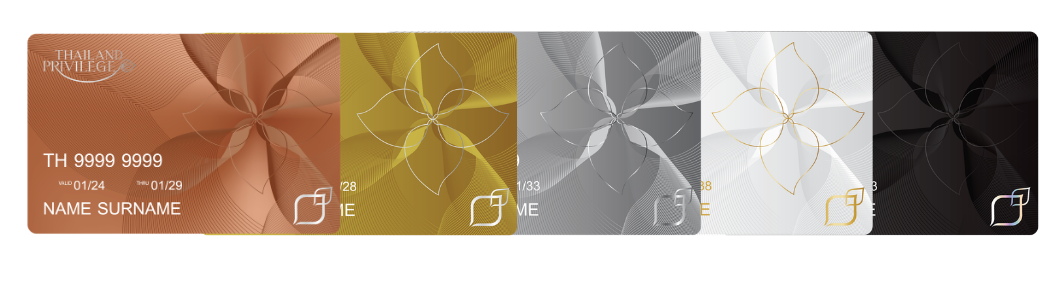
Membership ranges from THB 650,000 for Bronze with 5 years to THB 5,000,000 for Reserve with 20 years. Platinum at THB 1,500,000 offers 10 years and is popular among couples and families.
Yes. Koh Samui offers private hospital facilities, international schools, established expat communities, quality residential areas, and a year-round tropical climate. Living costs are higher than in some Thai cities but remain competitive globally. The island infrastructure supports comfortable long-term living for retirees, families, and remote professionals.
No. All Thailand Privilege Card membership tiers grant long-term visa status. Members are not permitted to work or study in Thailand under their membership. This applies across all five tiers: Bronze, Gold, Platinum, Diamond, and Reserve. Members who derive passive income, such as pensions, investments, or dividends, and who do not perform active work in Thailand, can legally reside under their membership. Those requiring employment authorization should consult an immigration specialist about appropriate visa categories.


Bangkok's best malls, from Siam Paragon to Iconsiam, make it one of Southeast Asia's top destinations for luxury shopping and premium retail.

Bangkok's nightlife spans rooftop bars, night markets, live music, and street food. Here is where to go out in Bangkok as a new long term resident.

Discover where to play the best golf courses in Thailand and how Thailand Privilege Card supports long-stay golfers with year-round play and perks.

Thailand offers some of the best wellness retreats in Asia for yoga, detox, and holistic health, drawing expats and retirees seeking long term balance.

Thailand's two coastlines and hundreds of islands make it one of Asia's most popular yacht destinations for luxury sailing yacht holidays year round.

Two coastlines, opposite seasons, and hundreds of islands make a Thailand island hopping tour unlike any other travel experience in Asia.

Thailand's statutory VAT is 10%, but the applied rate stays at 7%. What expats need to know about the cost of living in Thailand and the latest VAT news.

From world class hospitals to dental savings of up to 70%, here is why Thailand medical tourism draws over 1.4 million patients a year.

From cool season to monsoon rains, here is Thailand's climate by month and what long term residents need to know before moving to Thailand.

From markets to night eats, here is a guide to Chinatown in Bangkok and how a multiple entry visa in Thailand makes exploring it all easier.

A practical guide to planning a wedding in Thailand for couples who are considering moving to Thailand afterward.

Find out where to exchange money in Bangkok, Chiang Mai, and Phuket, plus how Thailand Privilege Card supports a long-term financial setup.

Discover Thailand's best water parks for families and expats. From Phuket to Bangkok, explore world-class attractions that make Thailand home.

Want a sustainable adventure in Thailand? Discover how to live an eco-conscious life while gaining long-term residency and luxury perks with the Privilege Card.
Escape winter! Thailand offers a year-round paradise. Make it your hassle-free second home with the Privilege Card, securing long-term visas and exclusive perks

Maximize your travel efficiency and overall experience! Learn expert strategies to effectively utilize you fast-track service and other valuable benefits
.webp)
Ready to ignite your senses with Thailand's captivating festivals in the latter half of 2025. Explore ancient rituals, colorful parades, and local celebrations.
.webp)
Dive into Thailand's vibrant music and arts festivals! Experience how these events reflect the dynamic pulse of Thai pop culture. Join the celebration!
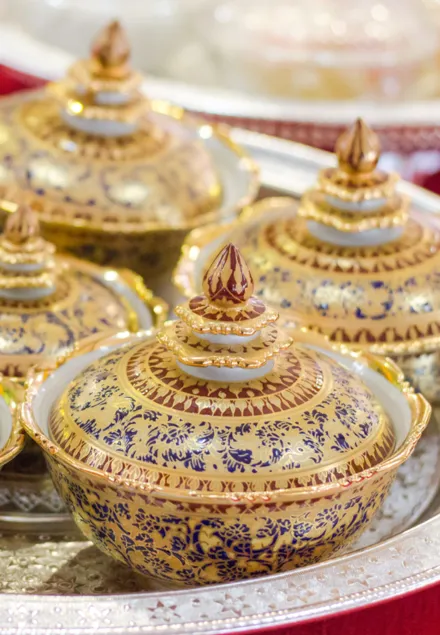
Explore contemporary Thai arts and crafts that bridge tradition with modern inspiration. Uncover unique creations, from intricate textiles to modern sculptures.
.webp)
Go beyond Muay Thai. Explore the full spectrum of Thai martial arts, including "The Art of Eight Limbs" and lesser-known, powerful styles. Deepen your knowledge

Planning your Thai adventure? Navigate the tourist visa process with confidence. Our guide simplifies every step, ensuring a smooth start to your journey.

Tee off in paradise! Discover Thailand's world-class golf courses, offering stunning scenery and an unforgettable experience for every golfer.

Fully experience Thailand Pride Month 2025! Our guide empowers you to join the celebrations of love and equality, showcasing Thailand's vibrant spirit

Your ultimate escape awaits at Cape Fahn Private Islands, a premier choice among Koh Samui. Exclusive Thailand Privilege card can enhance your long-term stay.
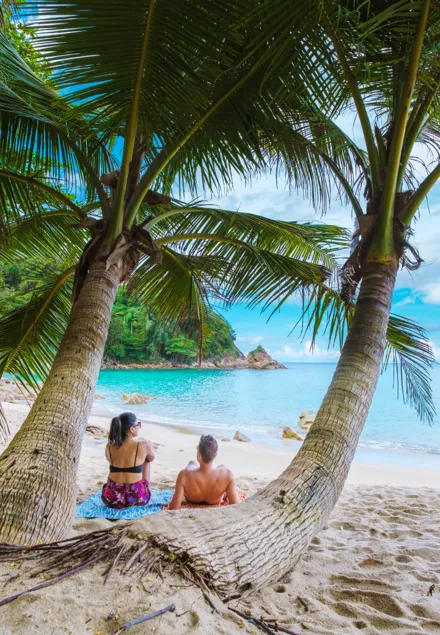
Phuket is renowned for its stunning coastline, offering some of the best beaches in Phuket for travelers seeking sun, sea, and serenity. Among these gems.
.webp)
Phuket offers an array of villas perfectly suited for foreigners looking to experience the island's charm. Whether you're planning a short getaway or a long-term stay
.webp)
Experience luxury with Thailand residency benefits, including the prestigious Thailand Privilege Card, granting exclusive perks at Michelin-star dining in Bangkok.
.webp)
For golf enthusiasts seeking a memorable vacation or extended stay to explore Thailand's courses, the Thailand Privilege Card offers luxury and convenience.
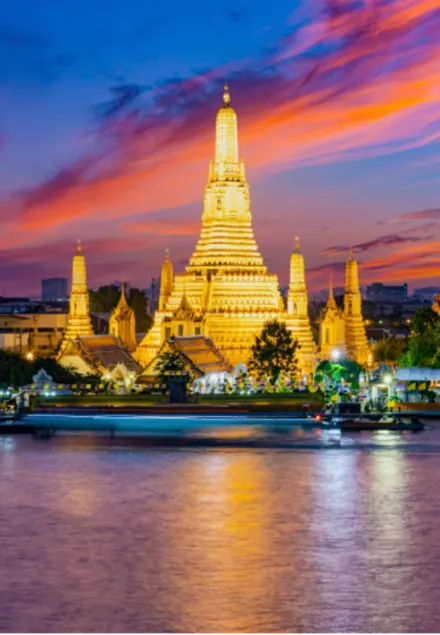
Thailand has long been a popular destination for retirees, and it’s easy to see why. With its warm climate, affordable cost of living, friendly locals, and stunning landscapes, the country offers an appealing combination for those looking to relax and enjoy their golden years.
.webp)
In Pattaya, enjoy thrilling beach activities, luxurious stays, and exclusive perks with the Thailand Privilege Card for an unforgettable vacation experience
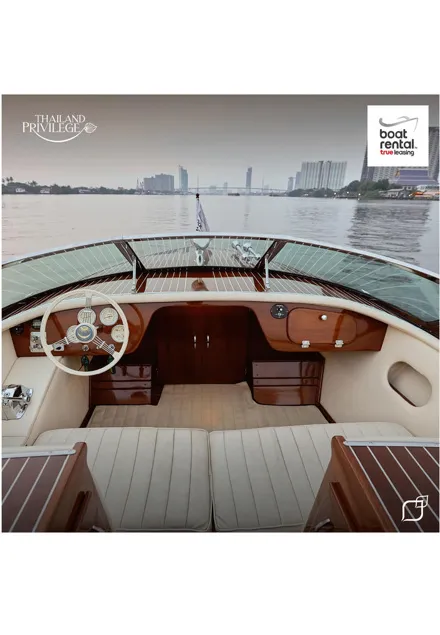
Discover Bangkok on a Chao Phraya River cruise, from serene sunsets to cultural tours. Use the Thailand Privilege Card for exclusive perks and seamless travel.
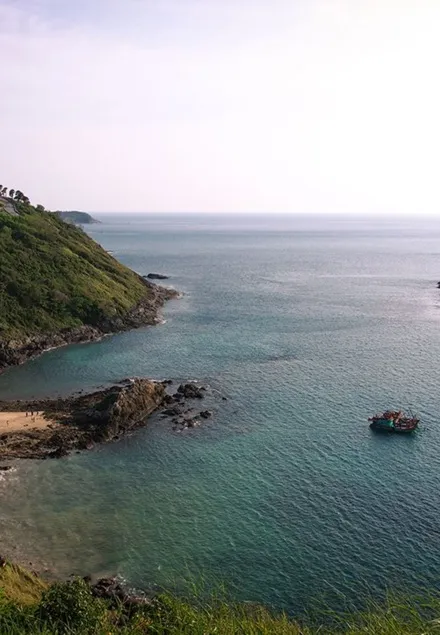
The island is packed with all sorts of fun water activities, from snorkeling to parasailing to zipline in the jungle and the list goes on. The night life on this island is also second to none
.webp)
If you wish to unwind, imbue the fancy art and be soothed by nature, Chiang Rai is the place to be. Located in the northernmost region of the country, Chiang Rai features untouched nature that rubs shoulders with the artistic Lanna culture. The province is starting to get more hip, with more cafés and restaurants popping up.

The metropolis that never sleeps, Bangkok is the has-it-all destination with a never-ending list of places to be explored from morning through night. Whether you are into art and culture or food, the city will startle you with the best of the best, delivered with flair.
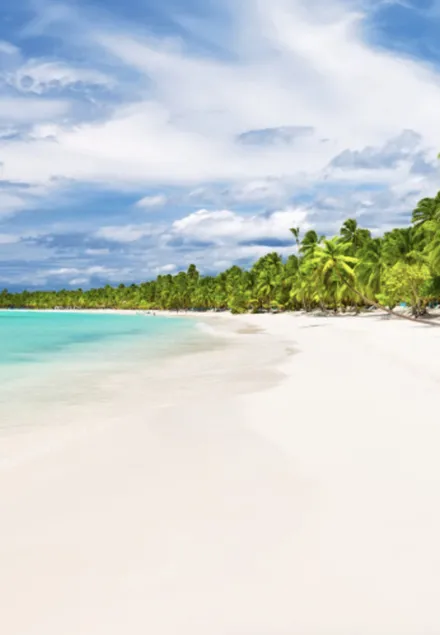
For our very first highlight Thailand section, we would like to share with ...


Enter PIN
Please enter your pin code to continue.

Only for Thailand privilege card membership
Please log in or register card membership to redeem of experience more excluslve privileges